
Industry
AI Agent OS / Government Big Data
Role
Lead UX Designer
Period
2023–2025
Collaboration
Product · Engineering · Government Client
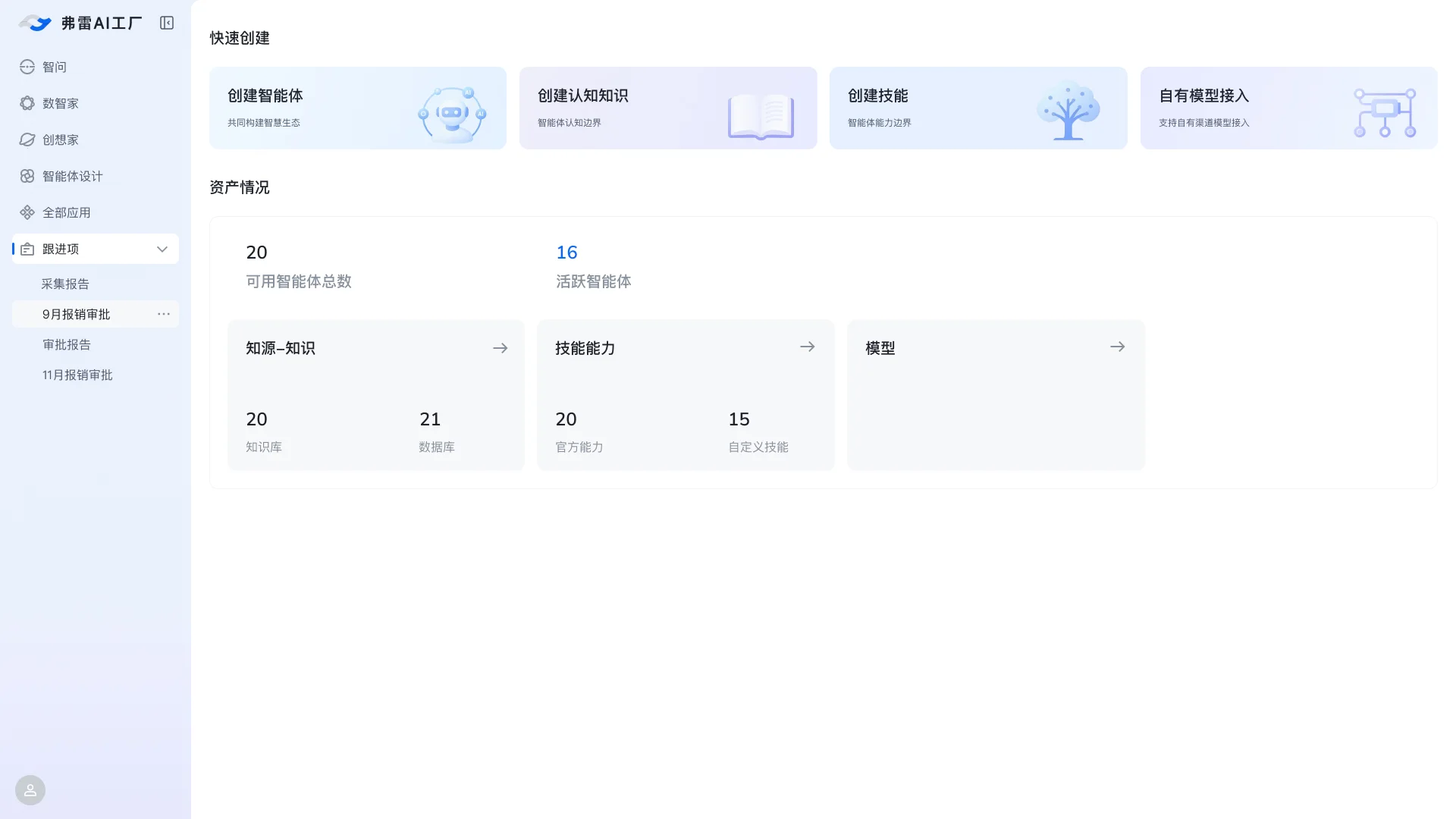
AI Agent OS Product System
Agents turn data into completed work
From data to agent was not about adding a chat box to a GIS product. It was about reorganizing how people call on data, knowledge, rules, and tools to complete work. I designed those distributed capabilities as an Agent OS that can be built, discovered, executed, and checked.
The case follows five connected actions: enter a task, build an agent, discover and reuse capability, follow task execution, and deliver specialist results that people can act on next.
01 / ENTER A TASK
Let users enter through a task
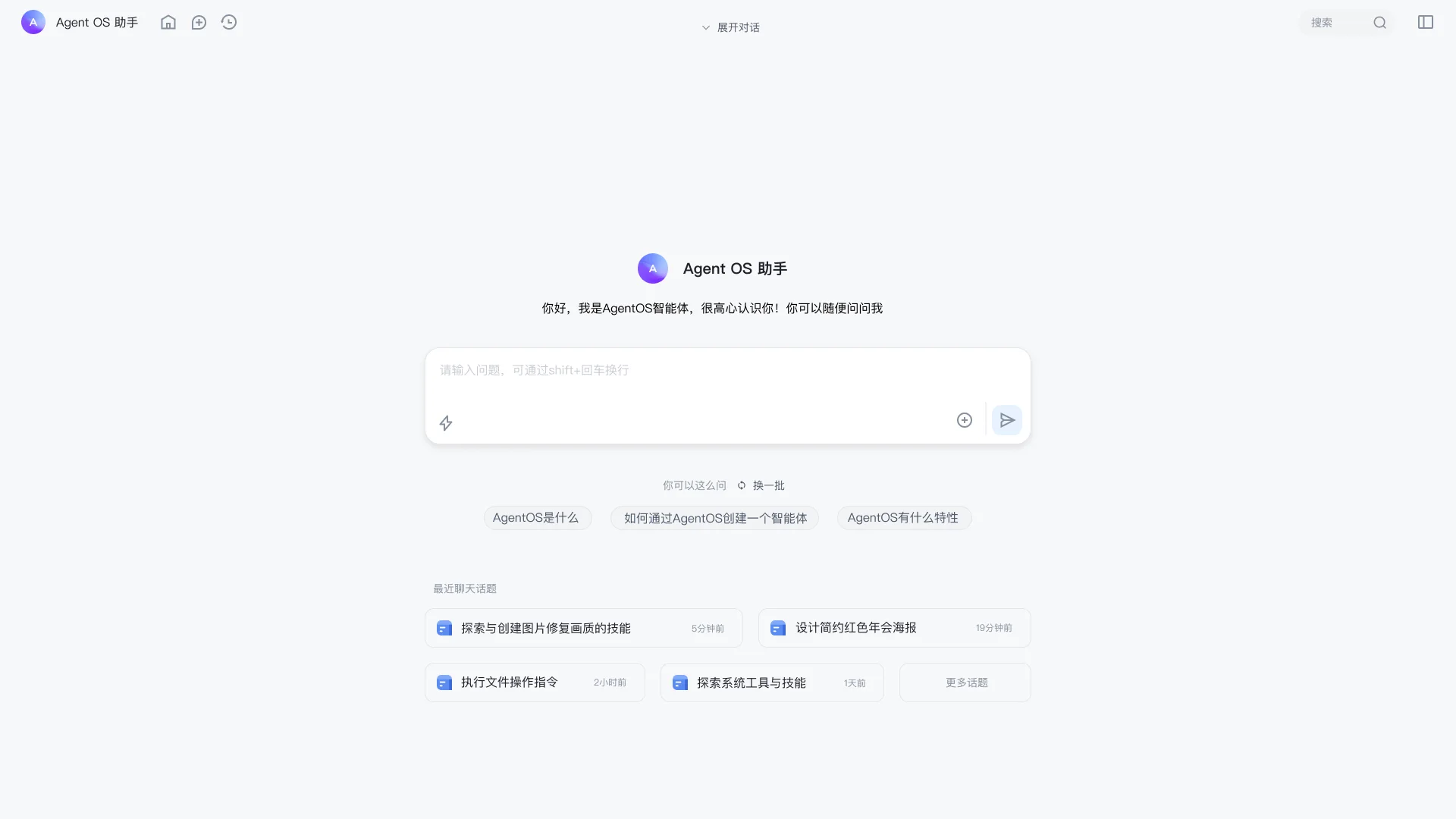
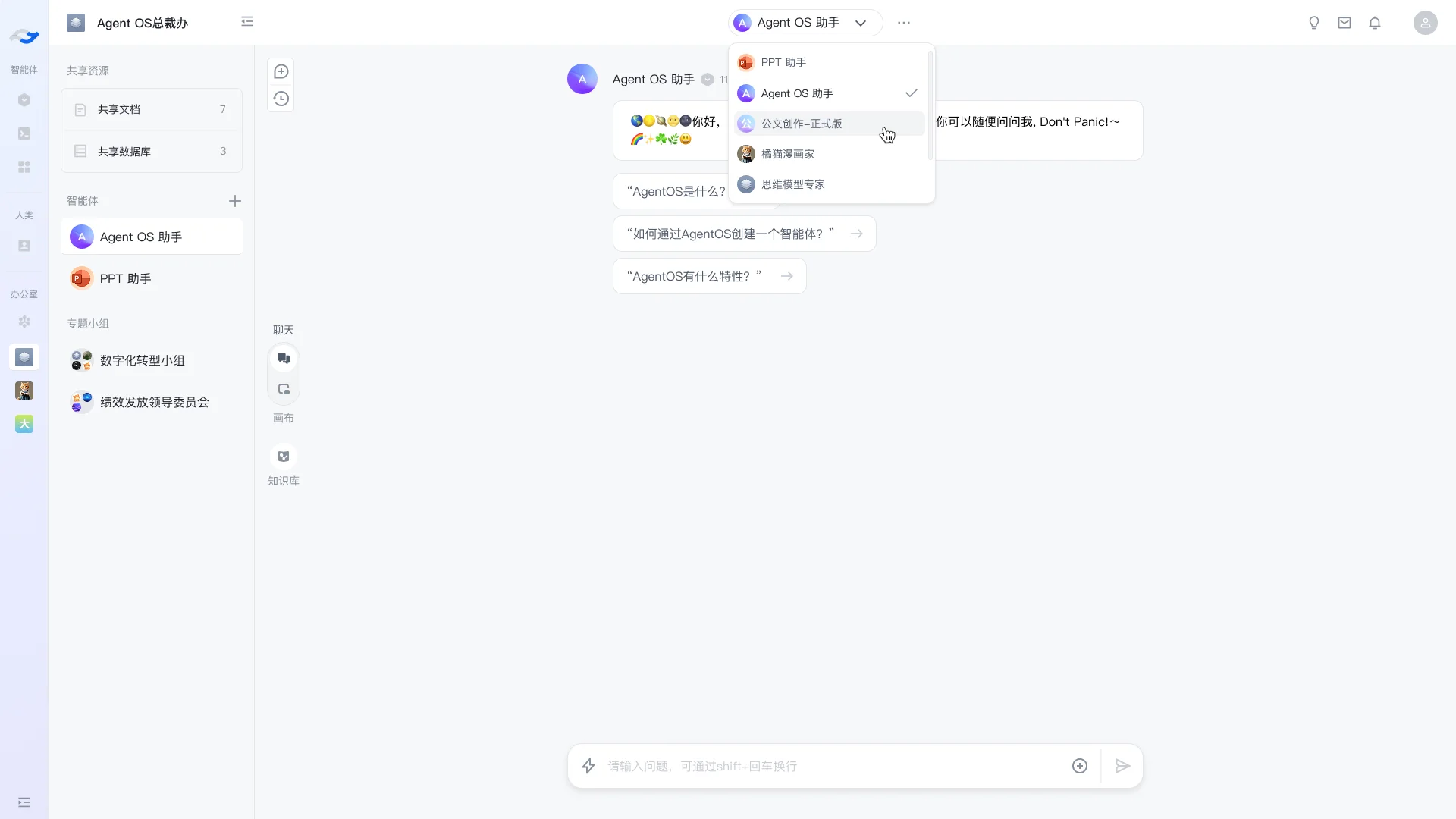
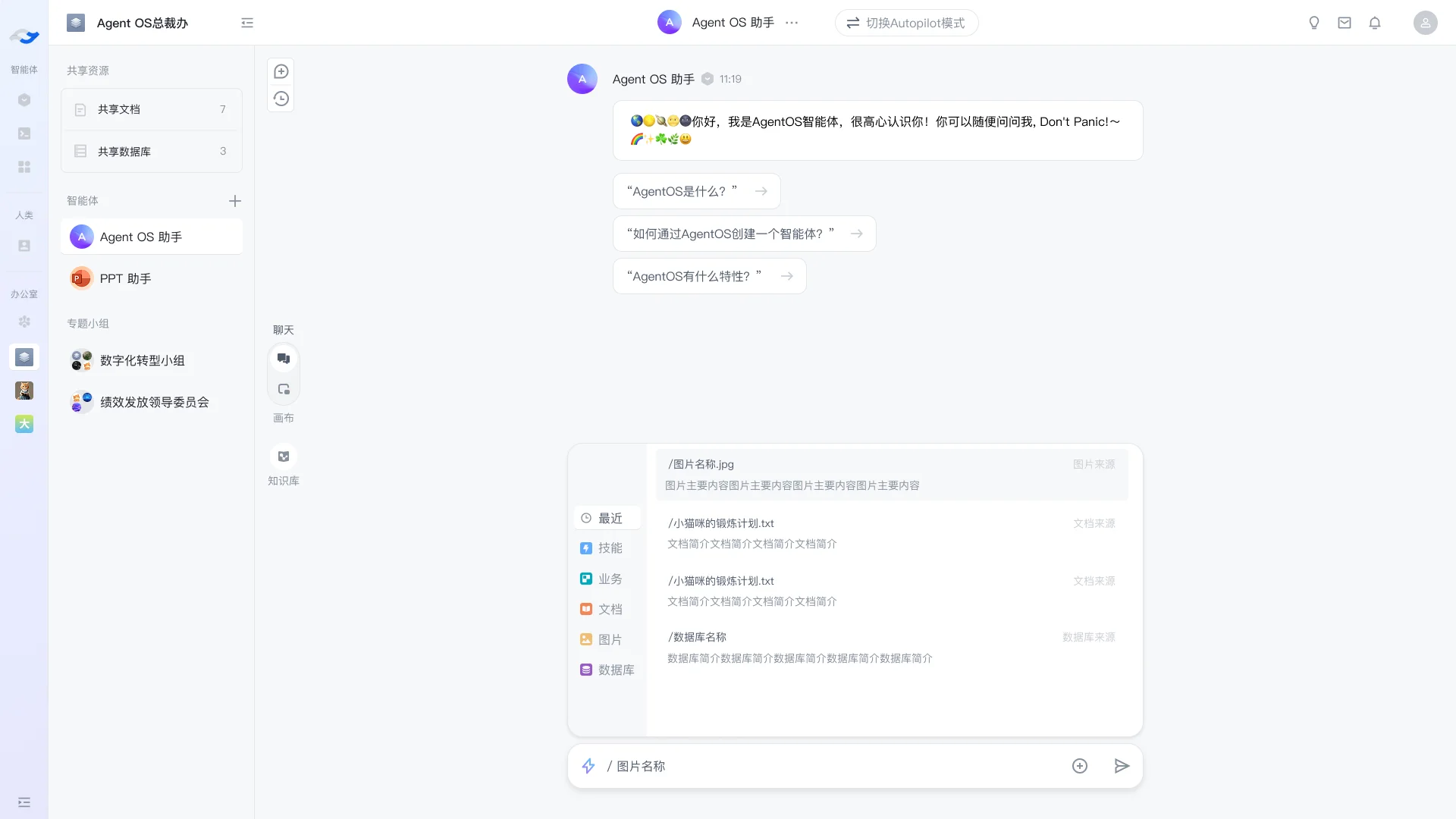
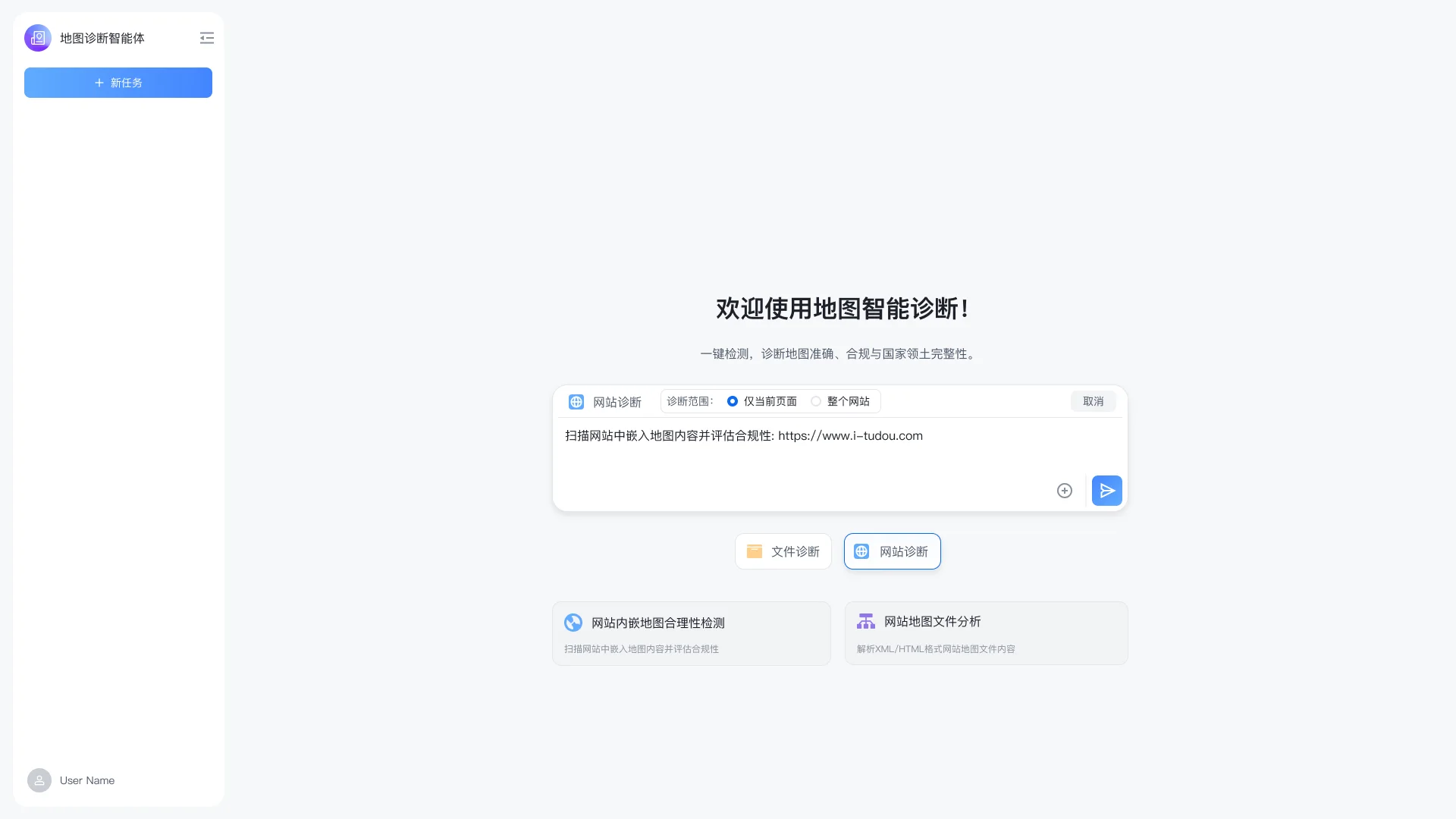
The home experience does not ask people to understand the system before they can work. Task entry points, agent switching, and quick commands let users begin with the problem at hand, select the right collaborator, and start immediately.
02 / BUILD CAPABILITY
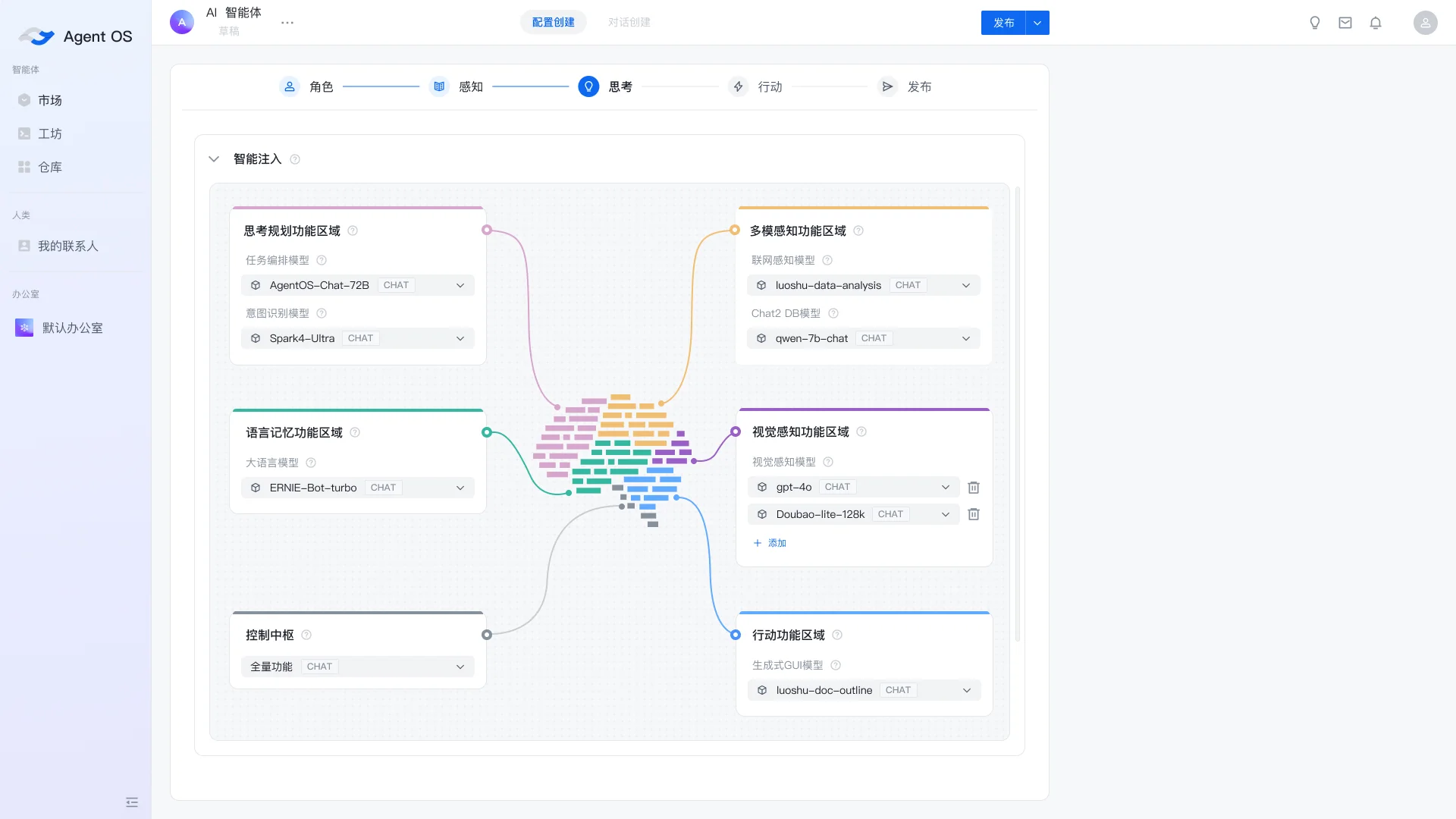
Make agents buildable and configurable
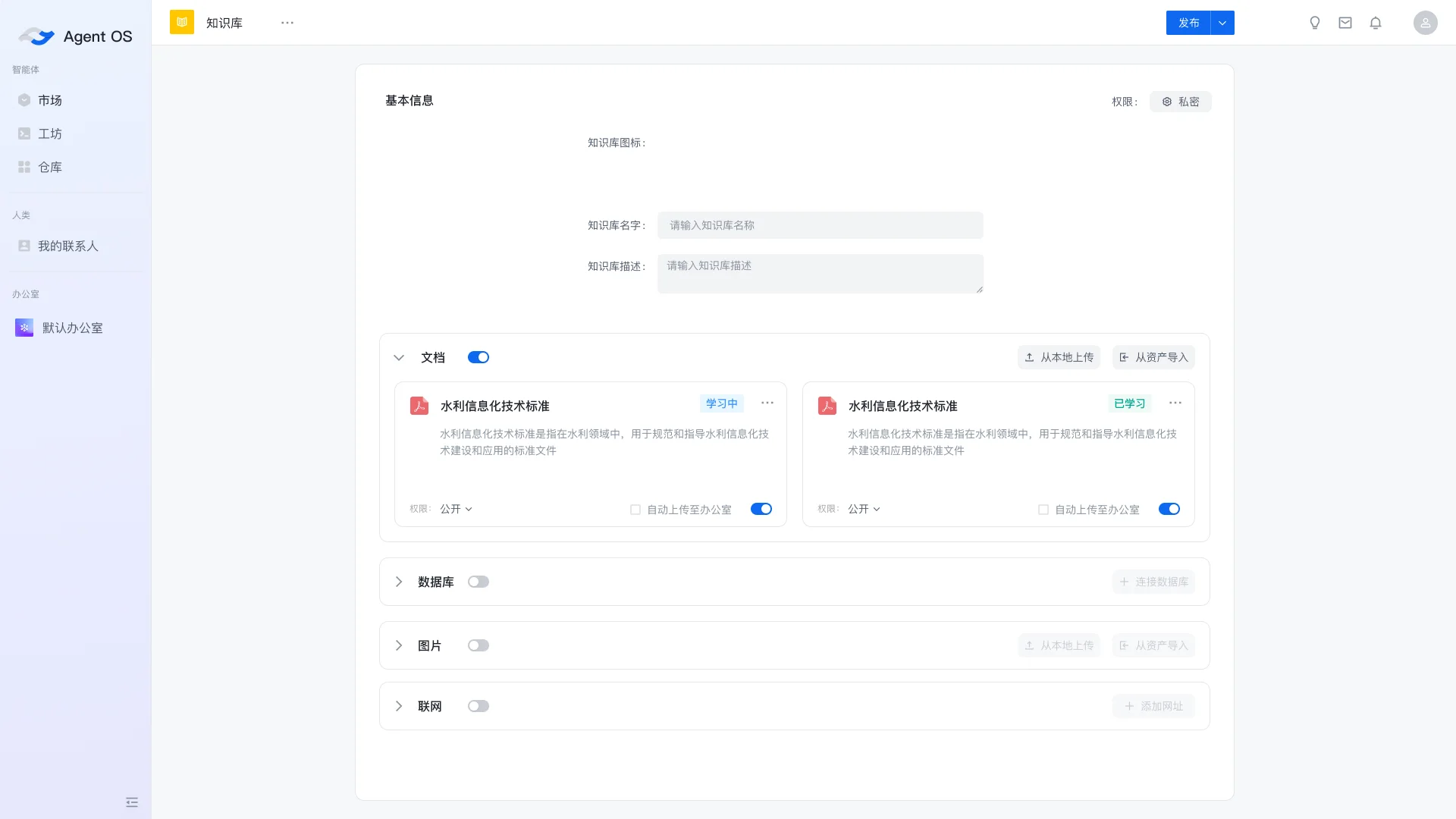
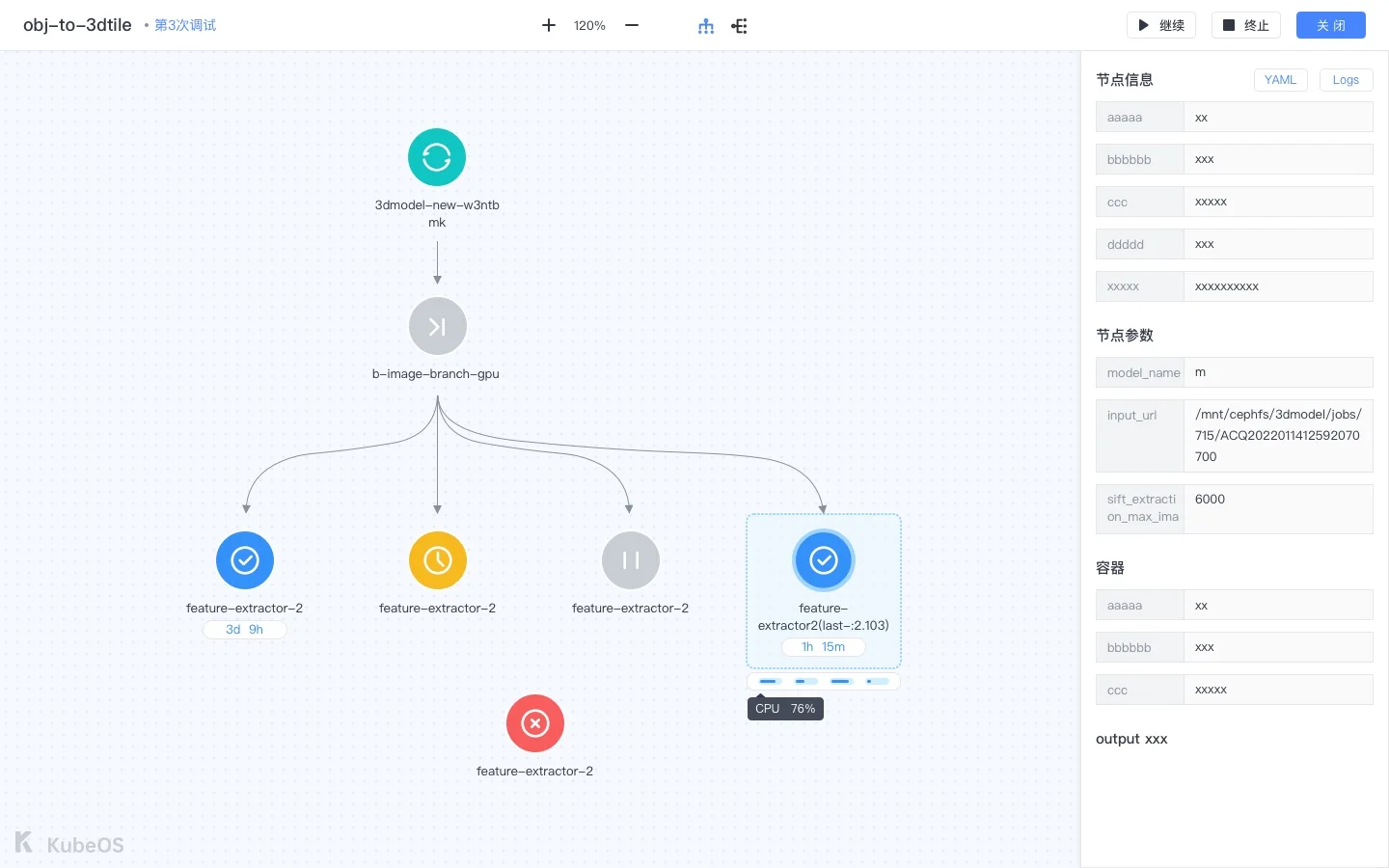
An agent's capability comes from skills, business logic, knowledge, and permissions working together. The canvas makes those dependencies explicit, while creation preserves the reasoning and configuration path. For complex processes, a compute graph, node parameters, and runtime states give specialists a debugging surface.
03 / DISCOVER AND REUSE
Make capability discoverable and reusable
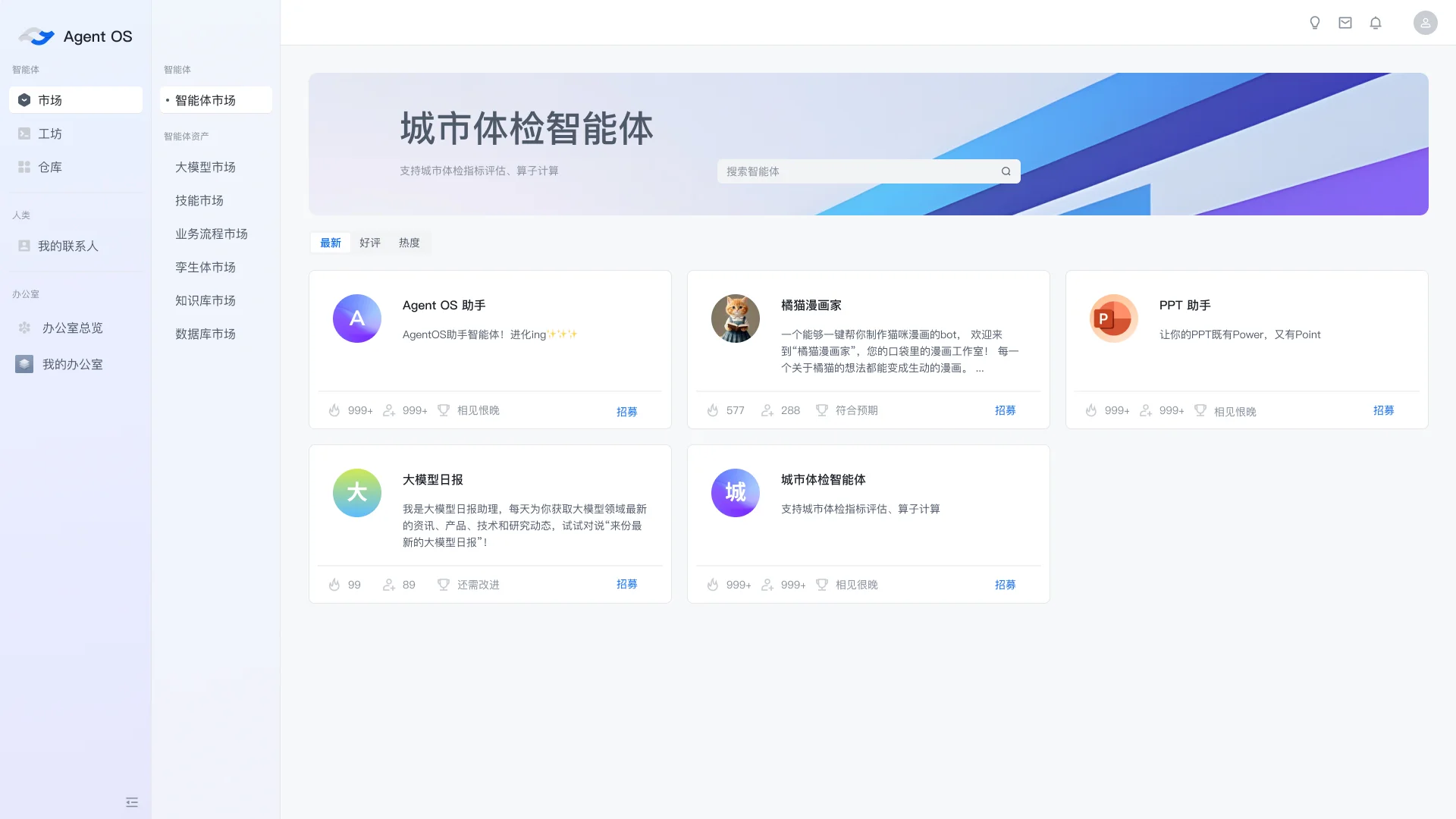
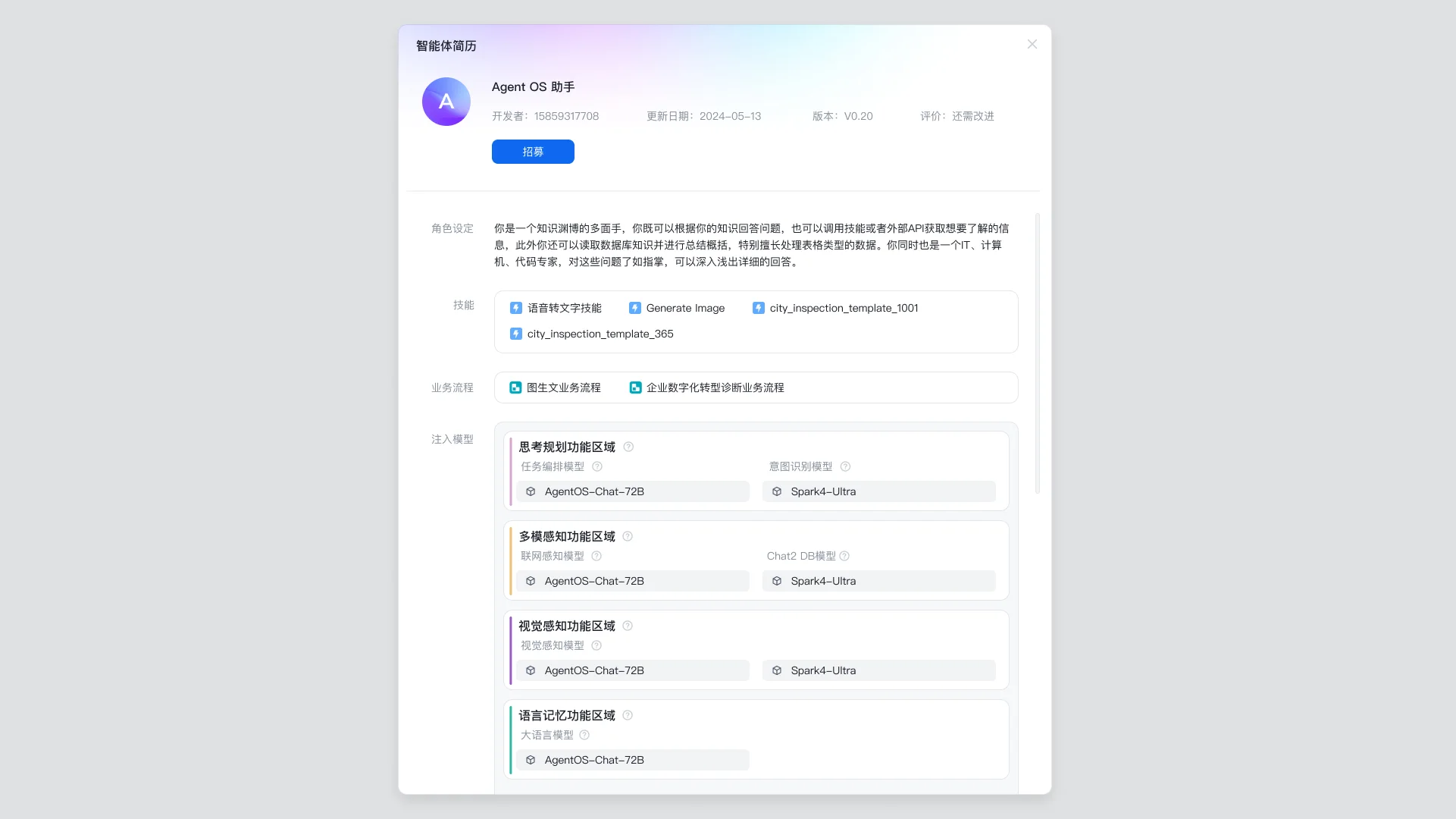
Once the number of capabilities grows, distribution becomes a product problem of its own. The agent marketplace creates a browsable entry point, while an agent profile clarifies its applicable work, capability makeup, and boundaries so users can decide what to use and why.
04 / EXECUTE A TASK
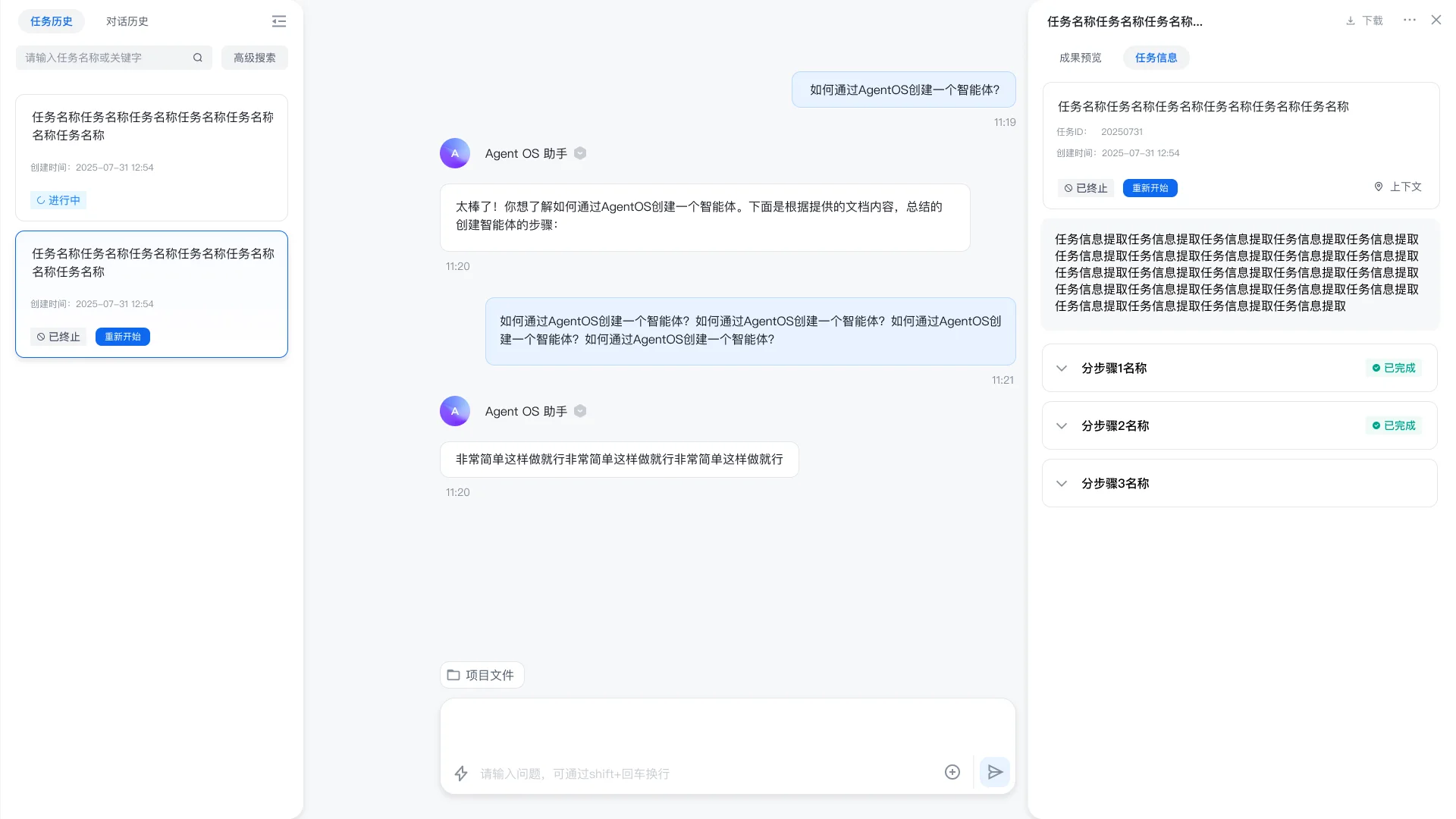
Bring natural language into a real workflow
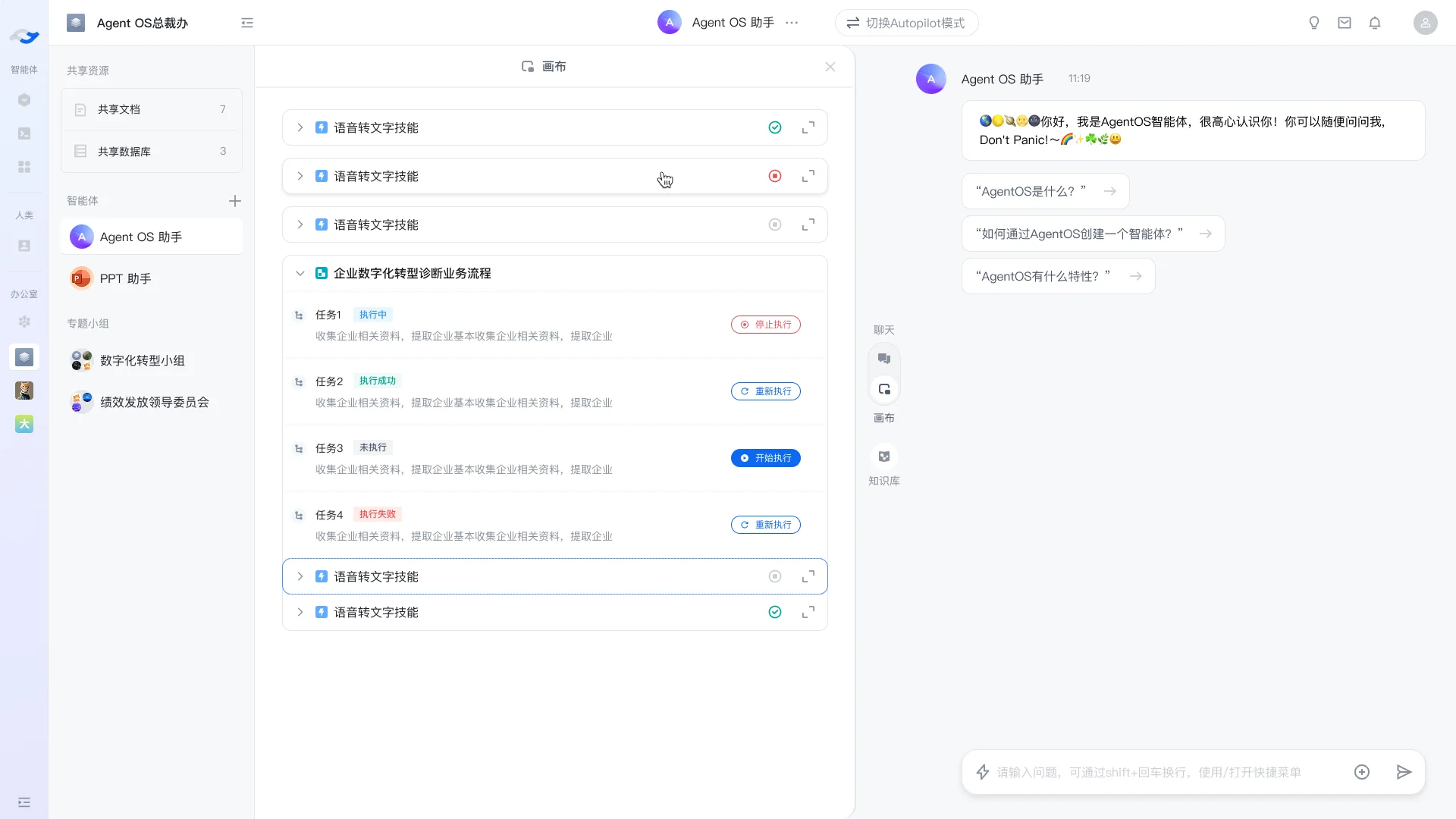
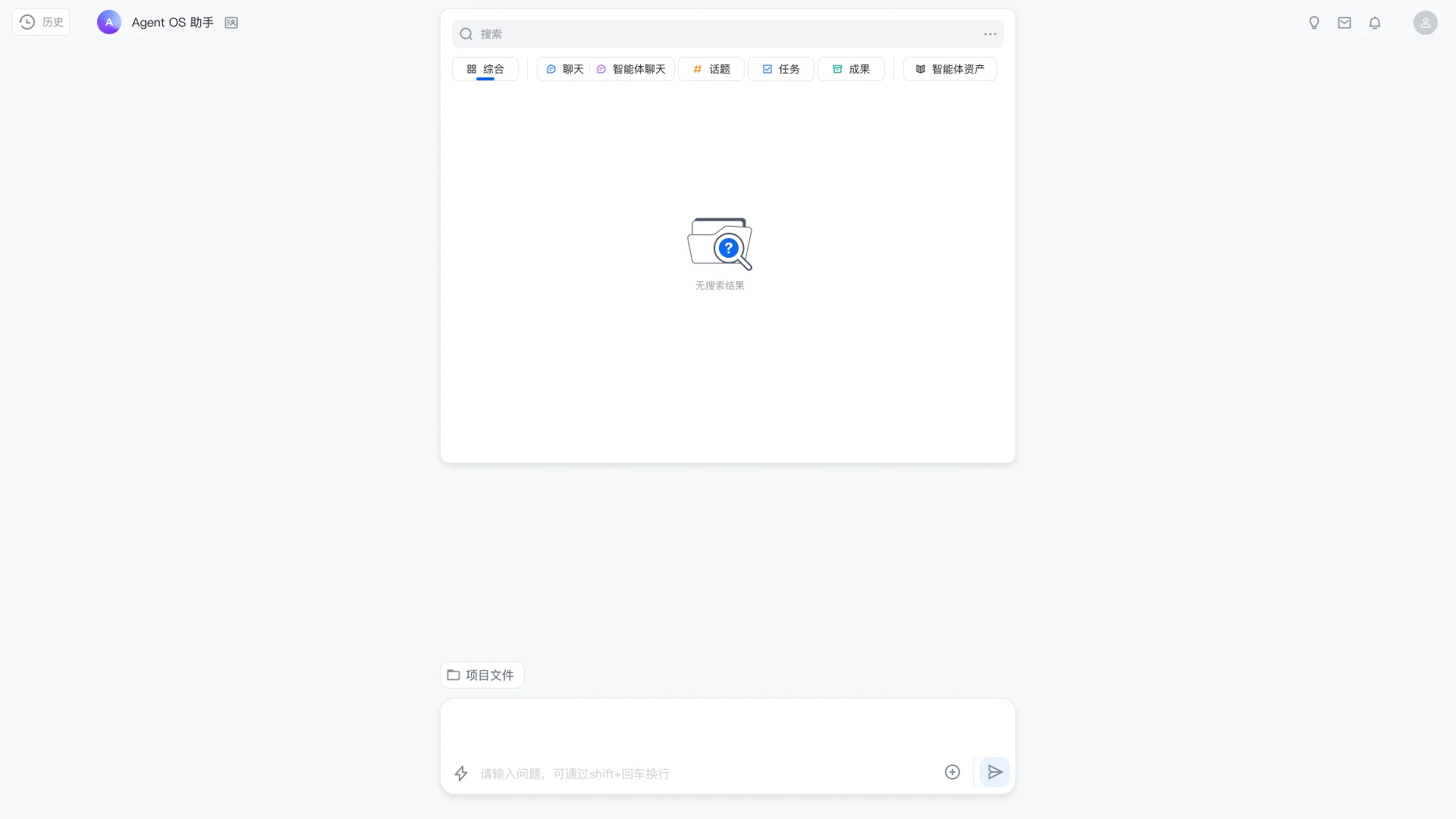
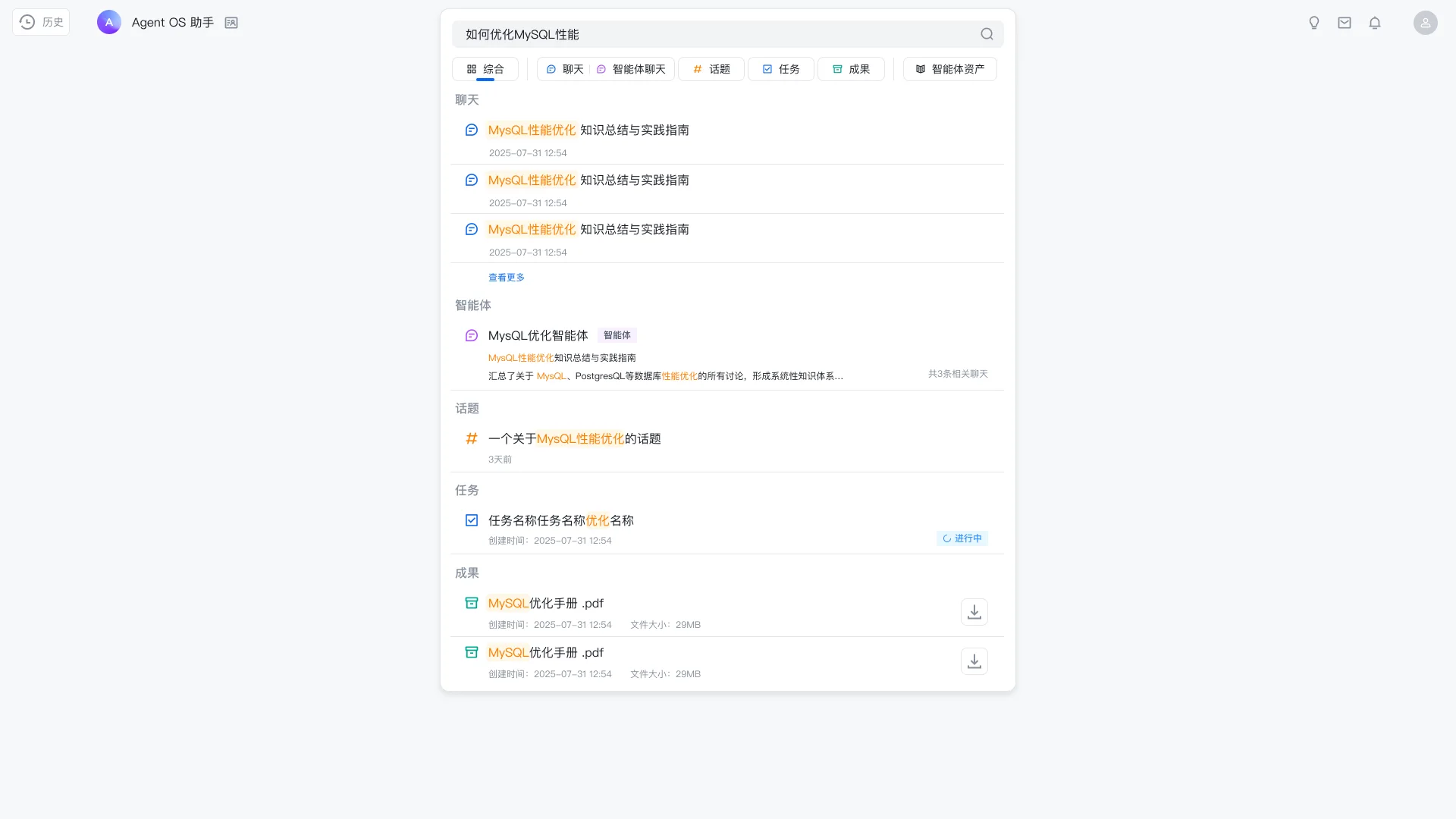
From searching for resources to starting a conversation, users do not need to move back and forth between tools. Task views hold input, context, process information, and result cards together, connecting a natural-language request to actual execution while it remains visible.
05 / DELIVER RESULTS
Make specialist results inspectable and actionable
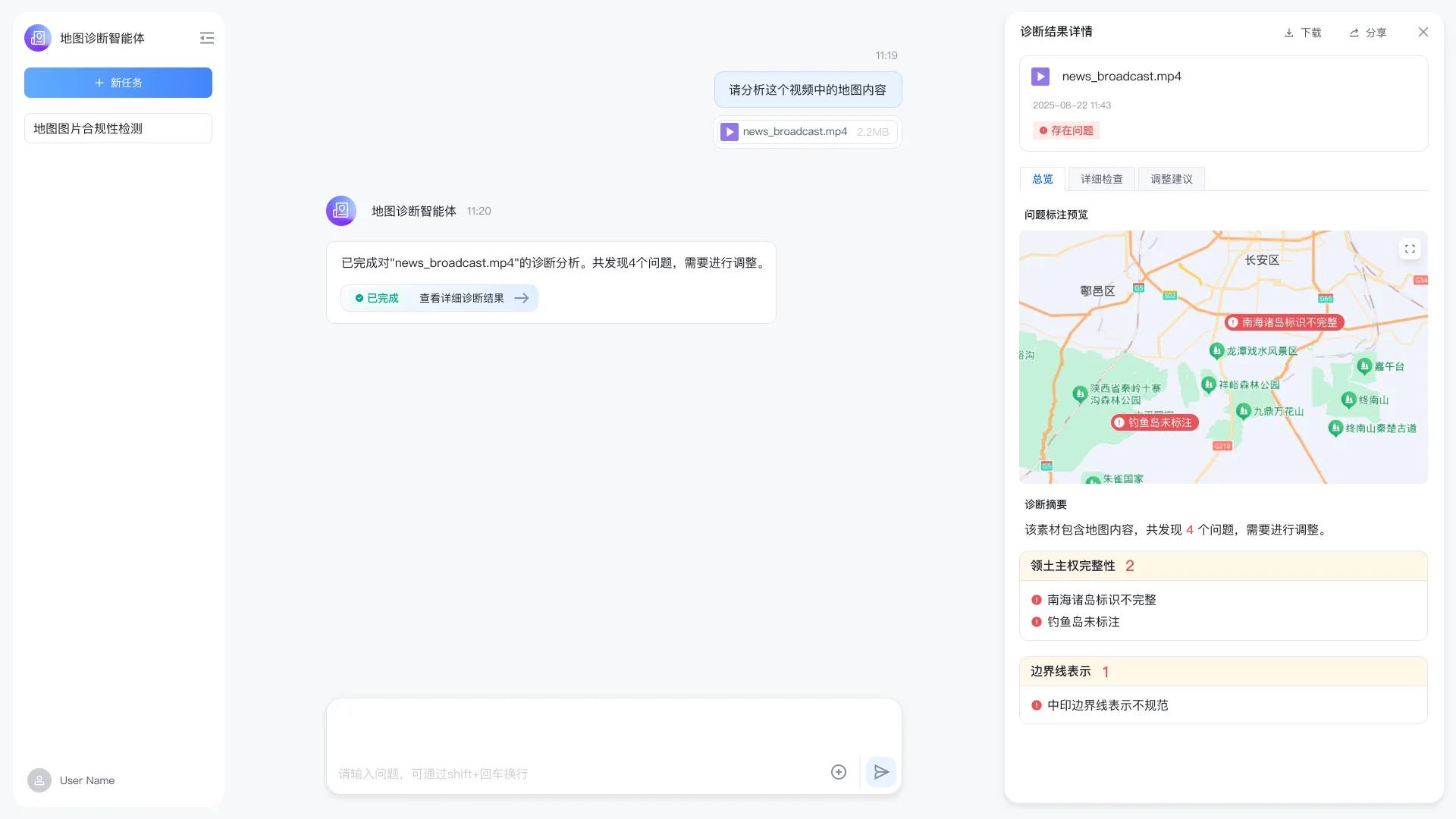
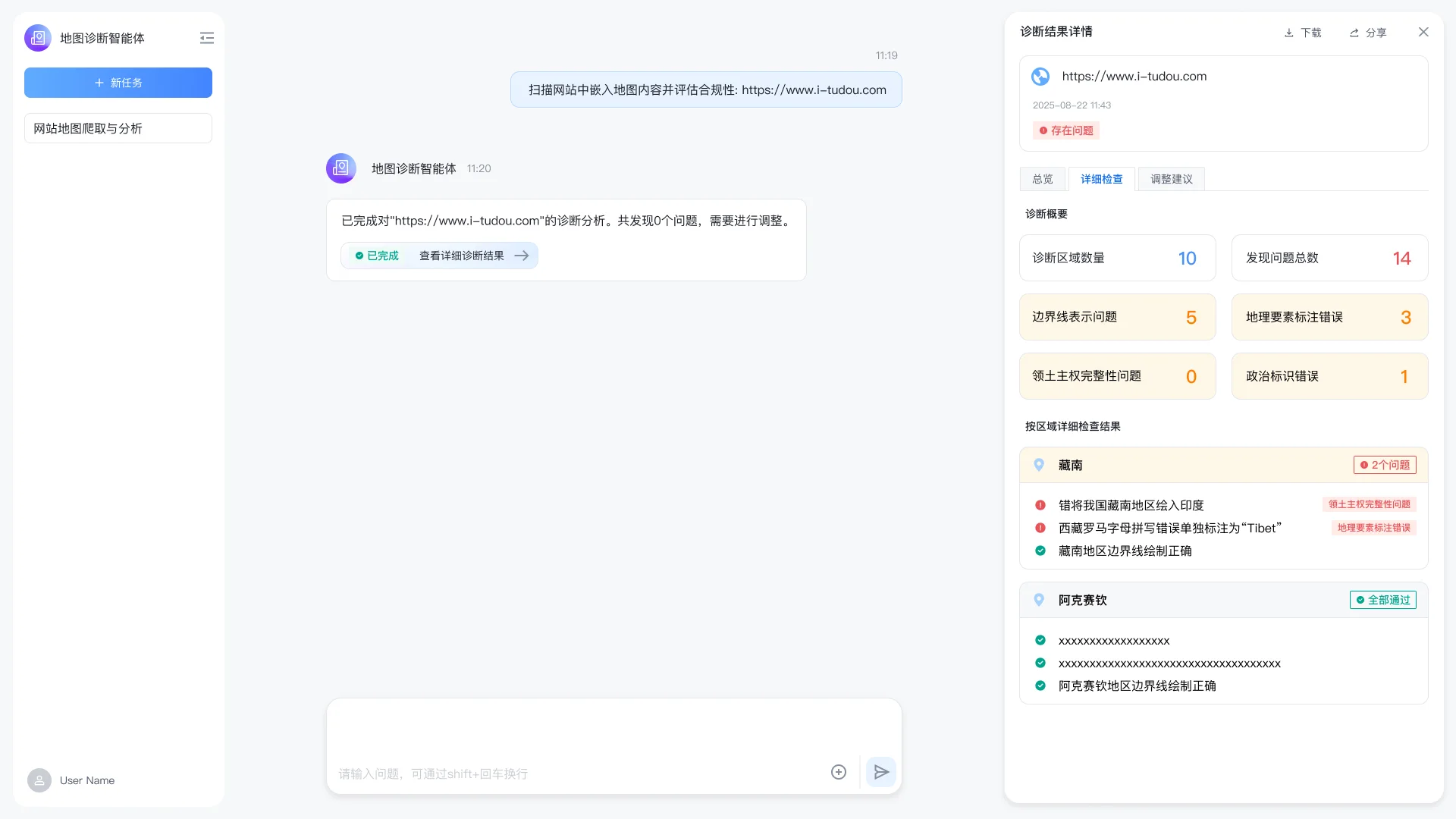
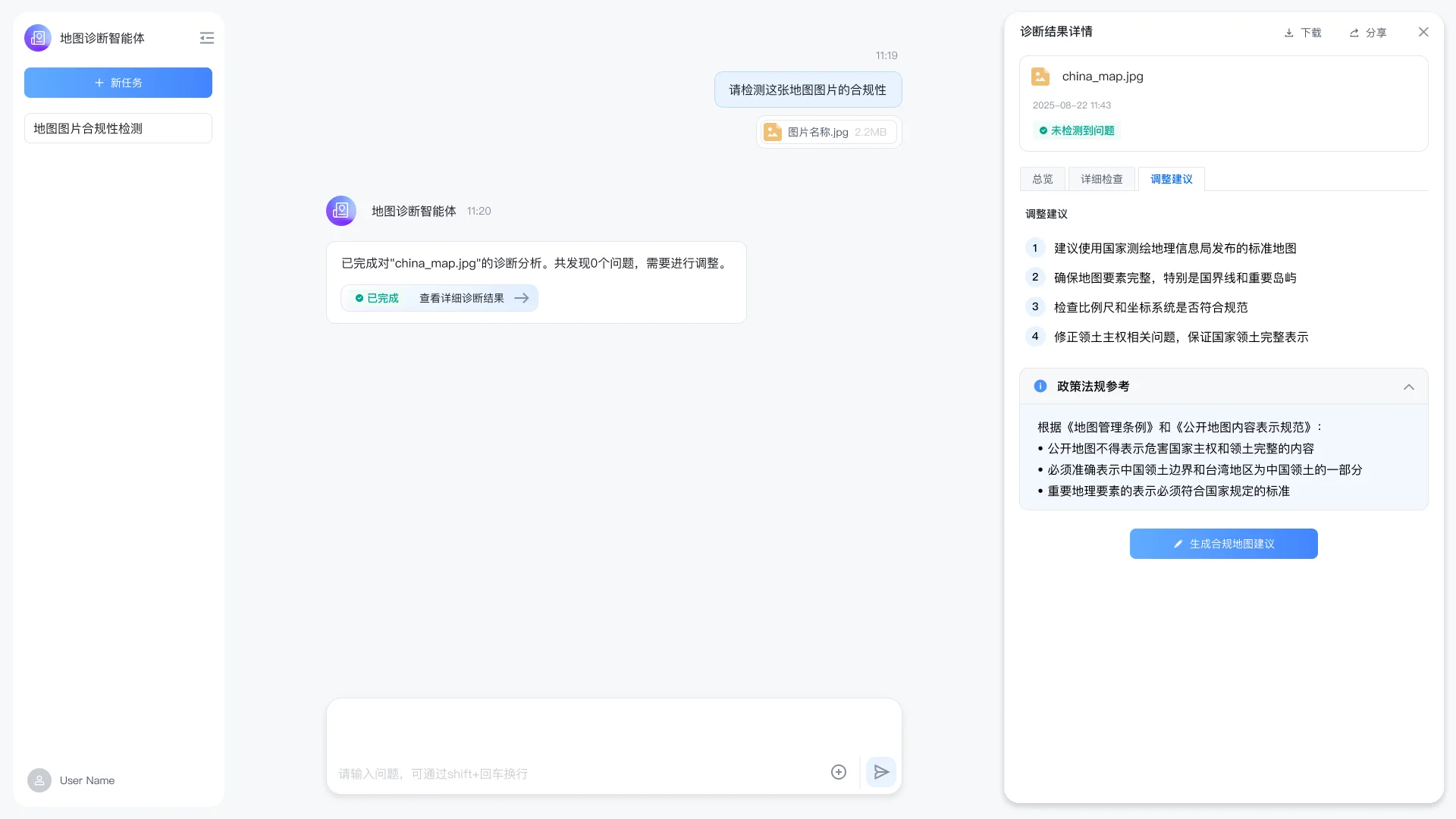
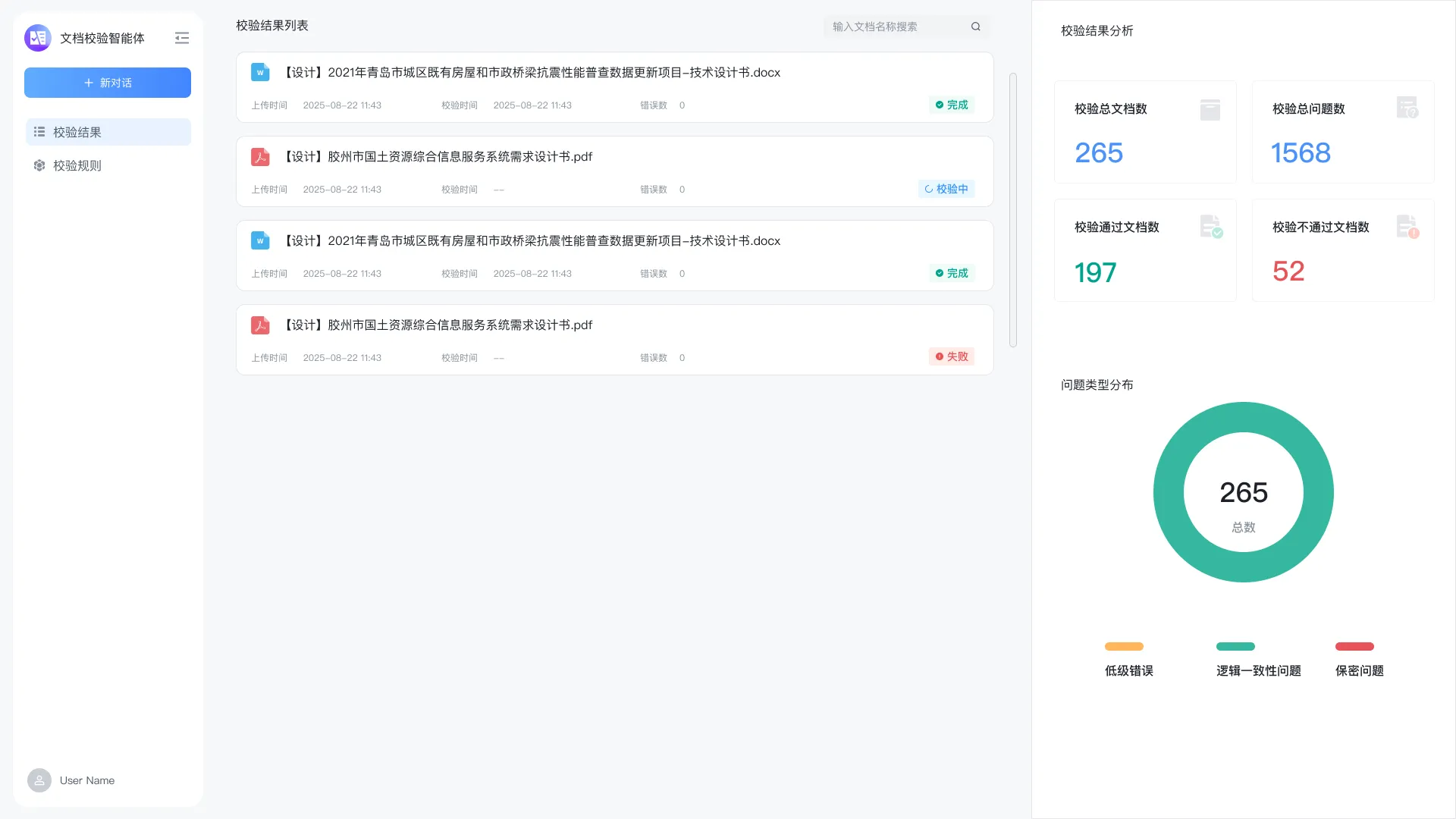
Map diagnosis does not return a sentence alone. It structures issue locations, inspection categories, map annotations, and adjustment advice into one result. Document validation proves that the same delivery pattern supports another specialist task and can continue into revision and review.
06 / DESIGN METHOD
Product principles
The Agent OS established a reusable approach to specialist work:
- Organize the entry point around a task instead of a feature module
- Combine knowledge, skills, business rules, and permissions into legible capability
- Show conversation, structured results, and runtime state together so execution is not a black box
- Let results continue into revision, review, or the next collaboration instead of ending as a single response
Next Case
From Map to Data→