
Industry
Research Product / Sustainable Design
Role
Lead UX Designer
Period
Approximately 3 years
RESEARCH TO PRODUCT
Research is the beginning of the product
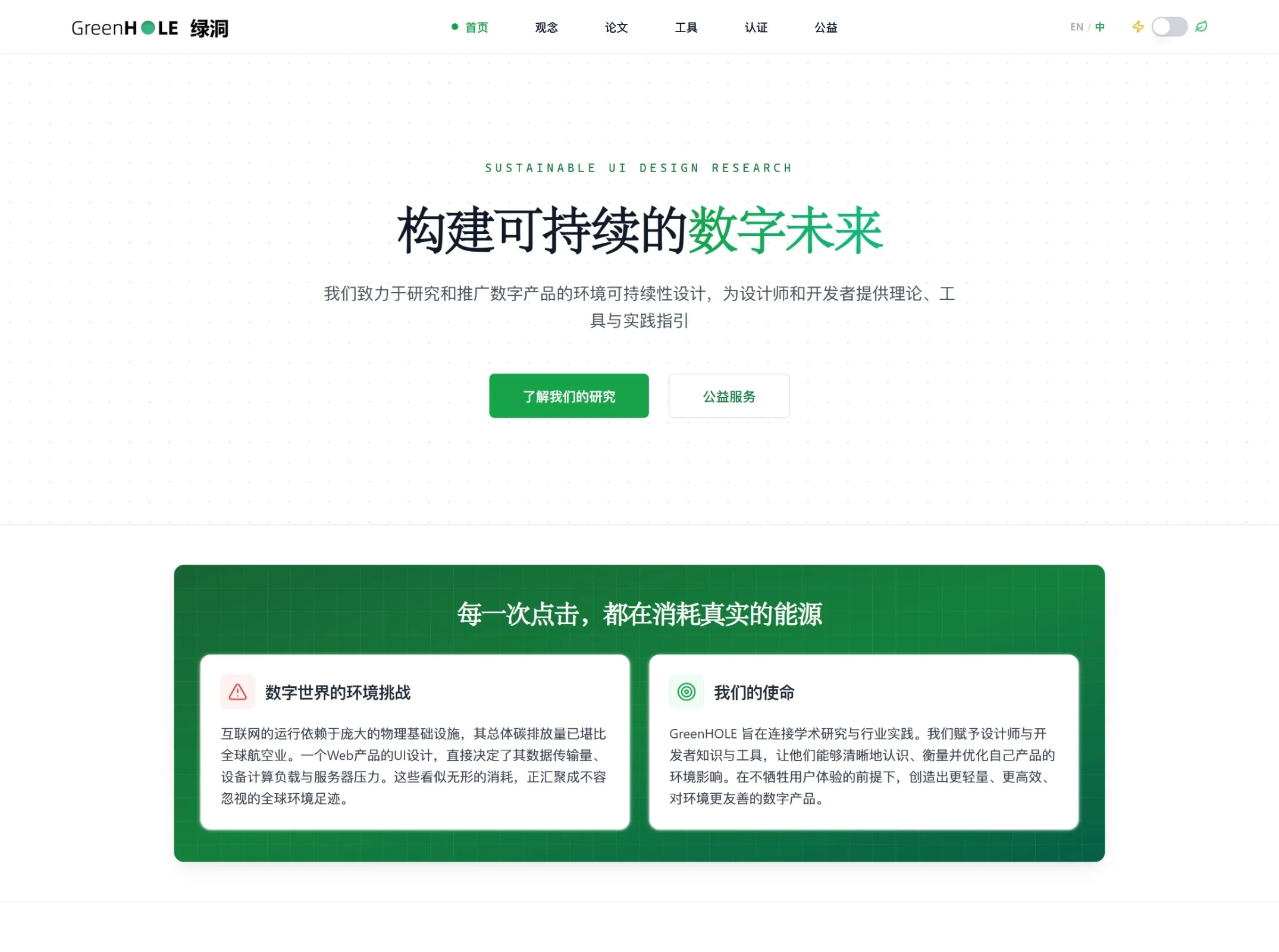
GreenHole began with an overlooked question: digital products appear immaterial, yet they continuously consume resources across devices, networks, and data centers. Over approximately three years, the work moved beyond a point of view to become a sustainable UI research and practice platform with a design method, assessment tool, knowledge base, certification service, and public-interest program.
I led the experience design across research framing, method and tool development, naming, brand, information architecture, website iterations, and ongoing operation, making a complex topic understandable and usable for designers, developers, and institutions.
01 / DEFINE THE PROBLEM
Make invisible impact discussable
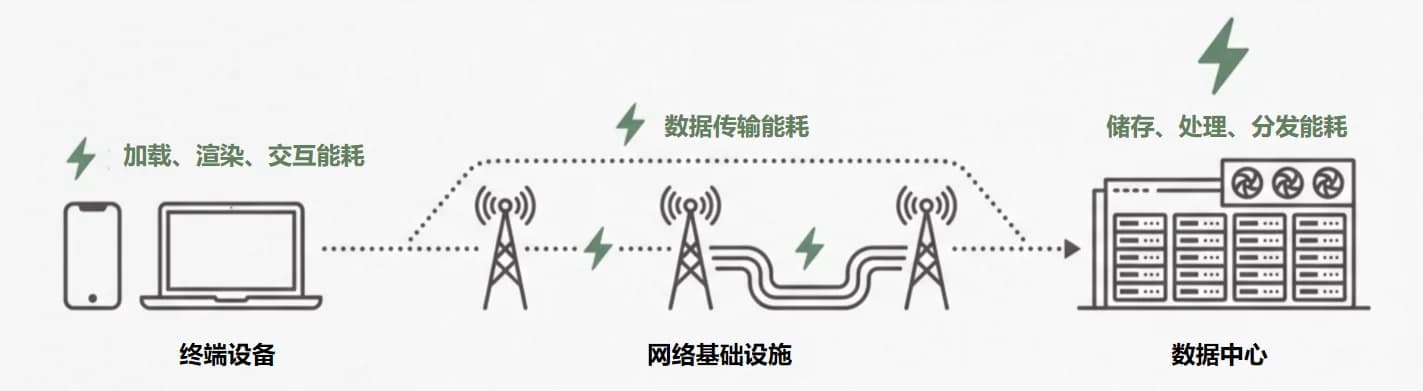
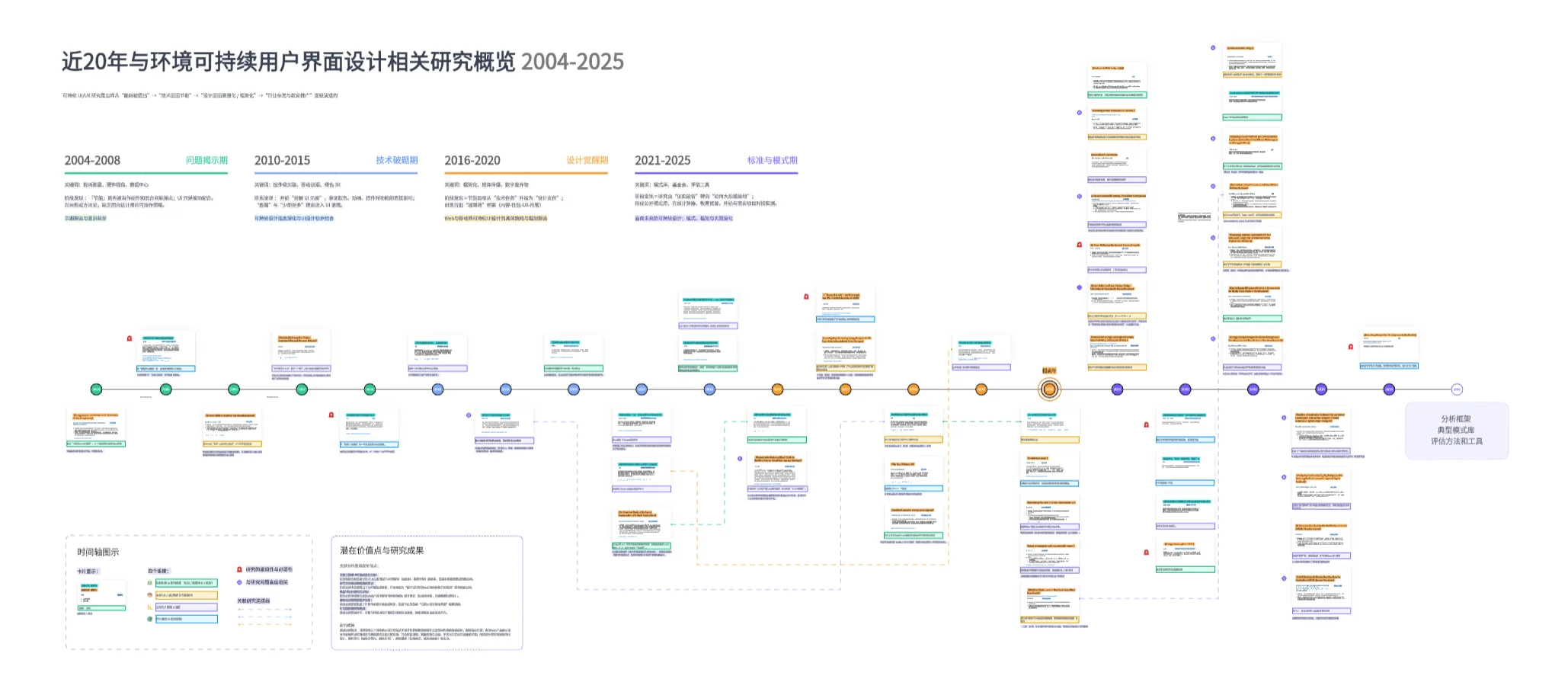
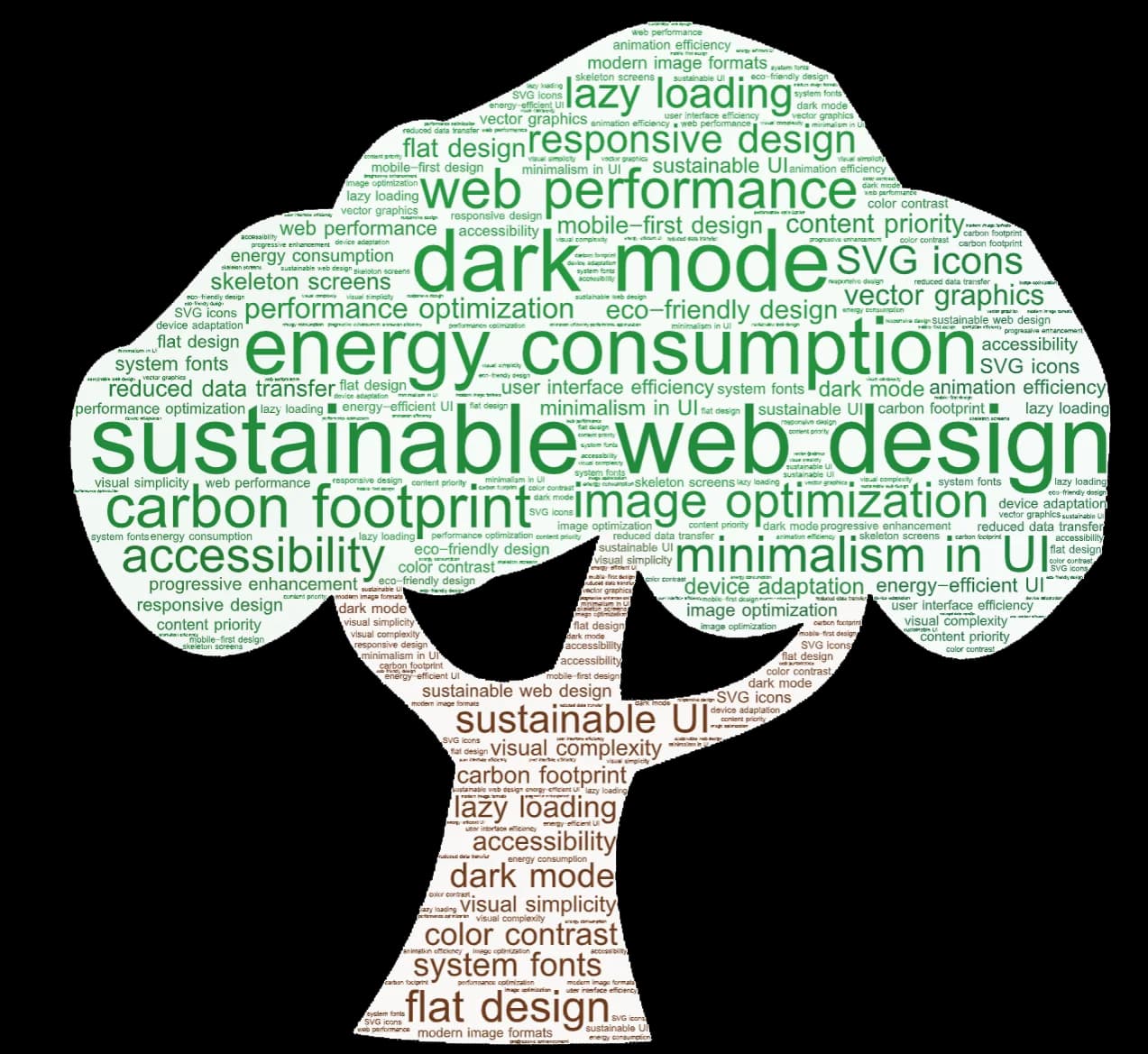
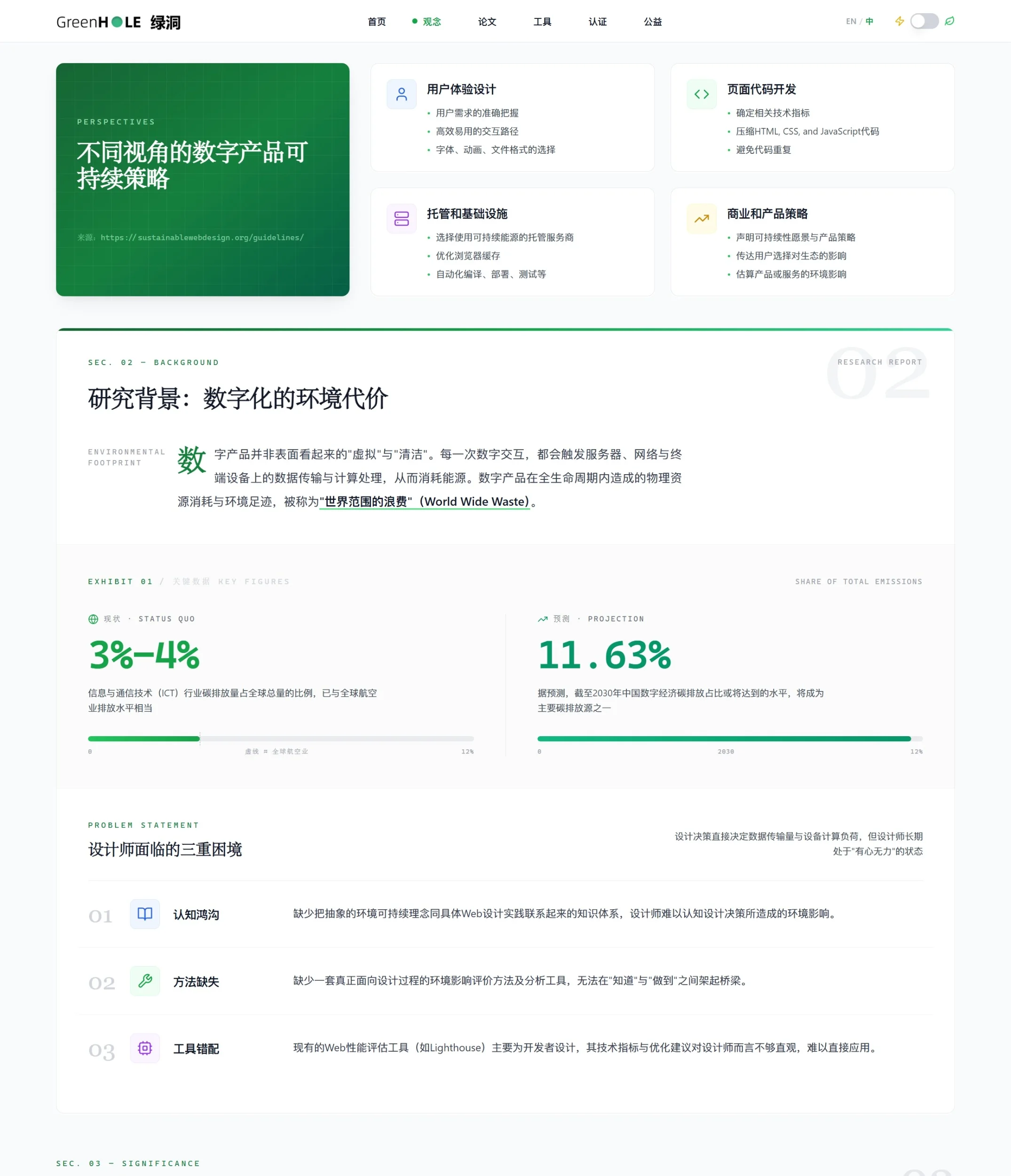
Images, code, interactions, and data requests do not end at the screen. They continue to consume energy across devices, networks, and servers. The research first defined that chain, then organized the long-running literature and its key terms into a shared language for the environmental impact of digital products, rather than leaving sustainability as an abstract aspiration.
02 / FORM THE METHOD
Turn findings into a design method
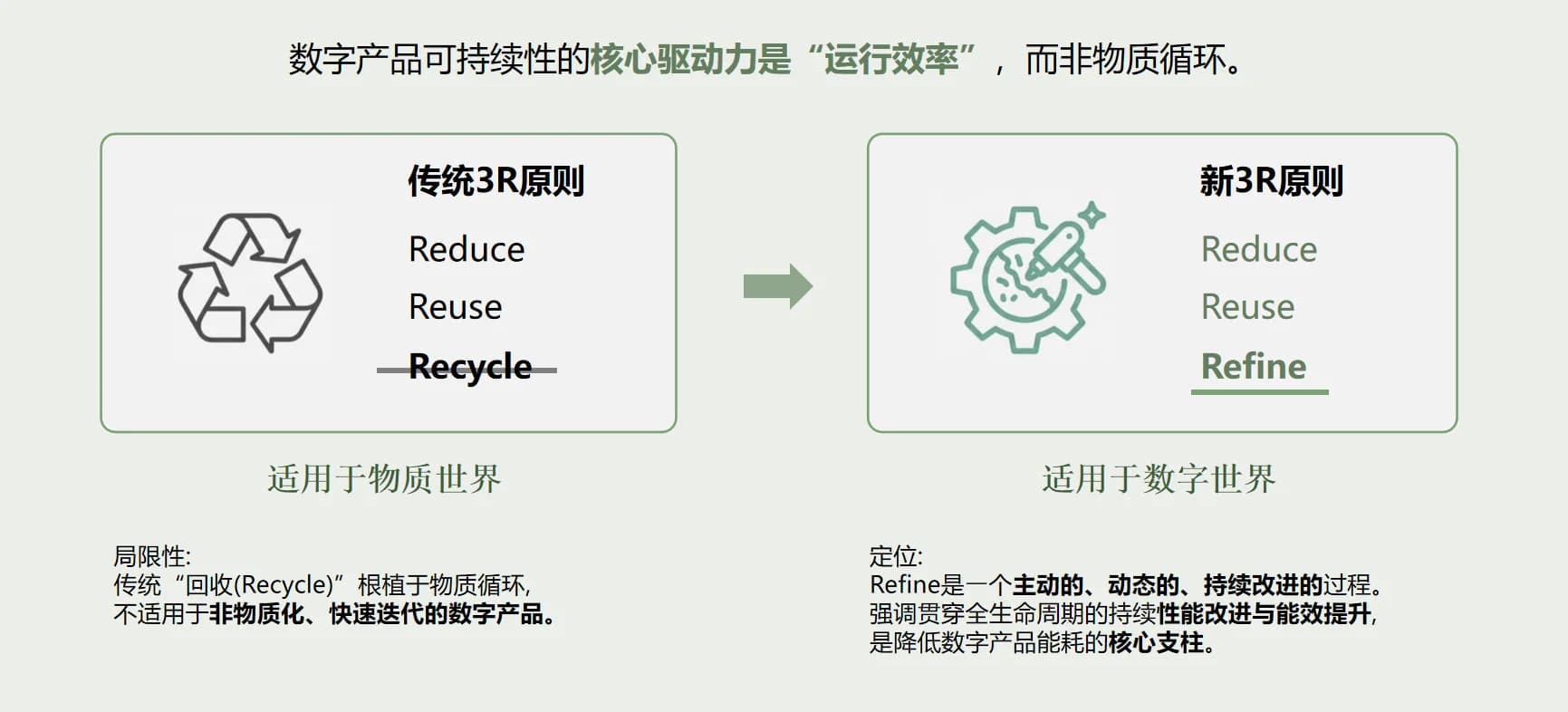
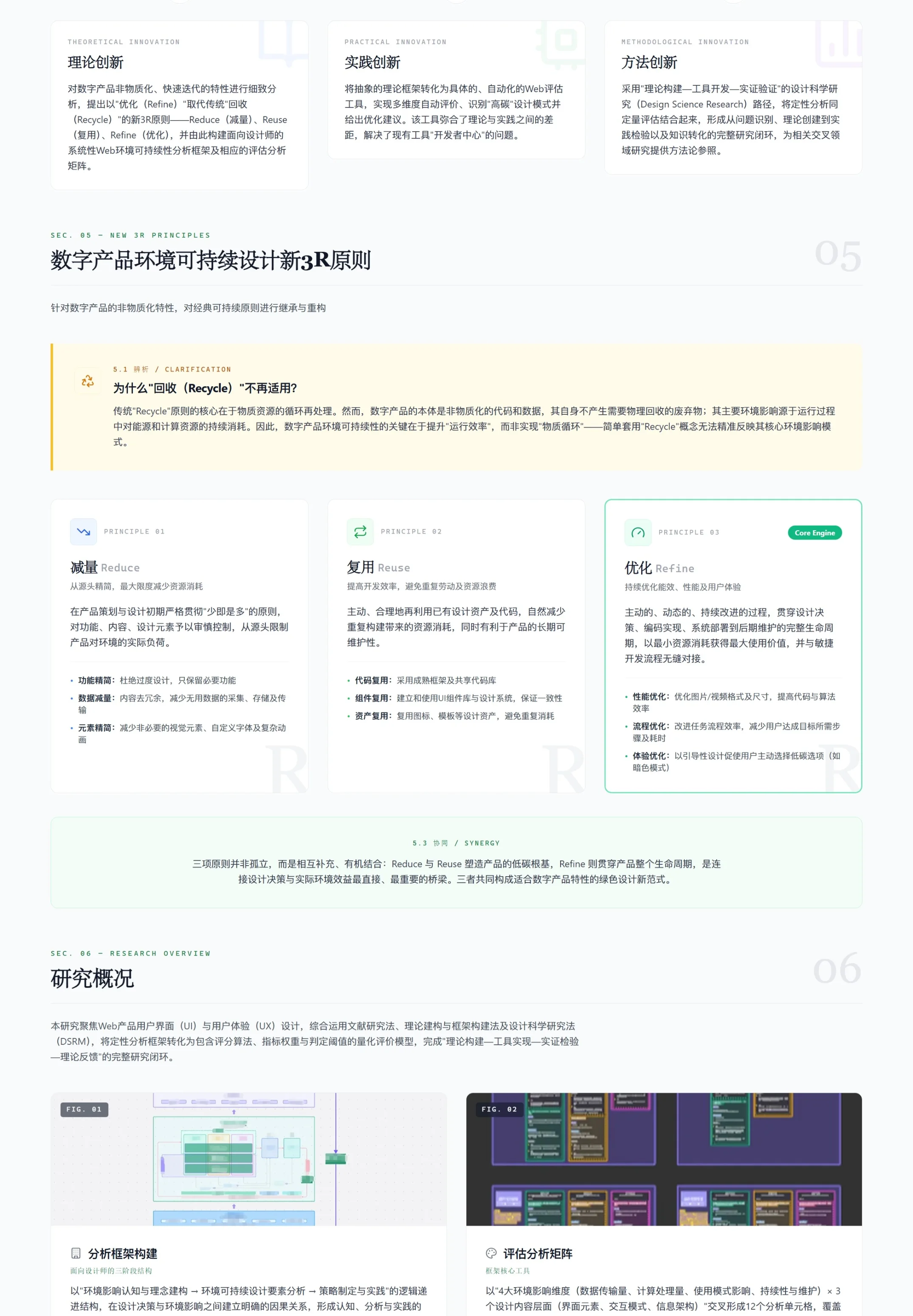
Recycle in the traditional 3R principle is grounded in material circulation, so it does not directly address rapidly iterating digital products. GreenHole therefore centers operating efficiency and reframes the method as Reduce, Reuse, and Refine: avoid unnecessary consumption, reuse existing resources, and continuously improve energy efficiency and experience across the product lifecycle.
03 / BUILD THE TOOL
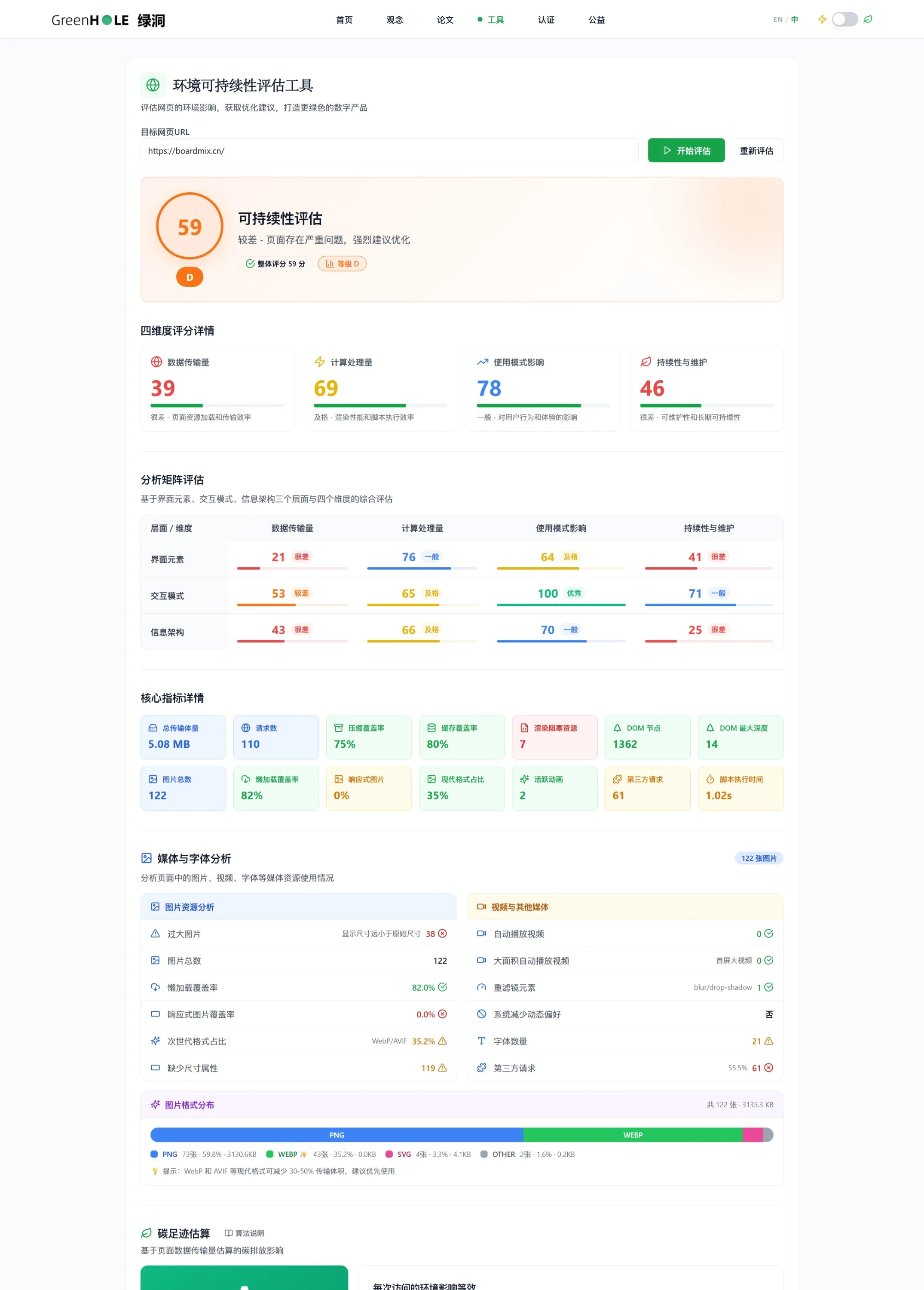
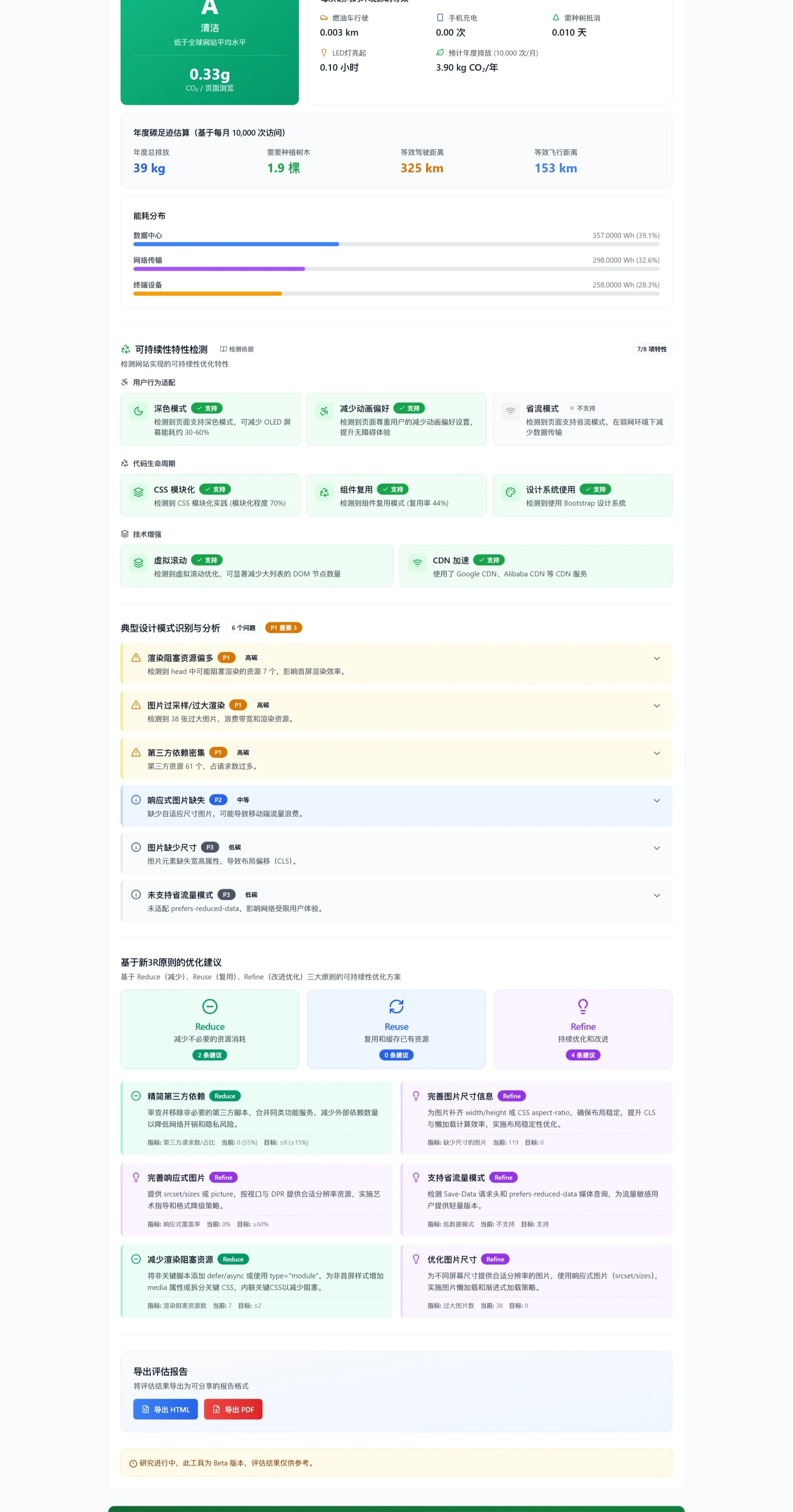
Turn method into an actionable assessment
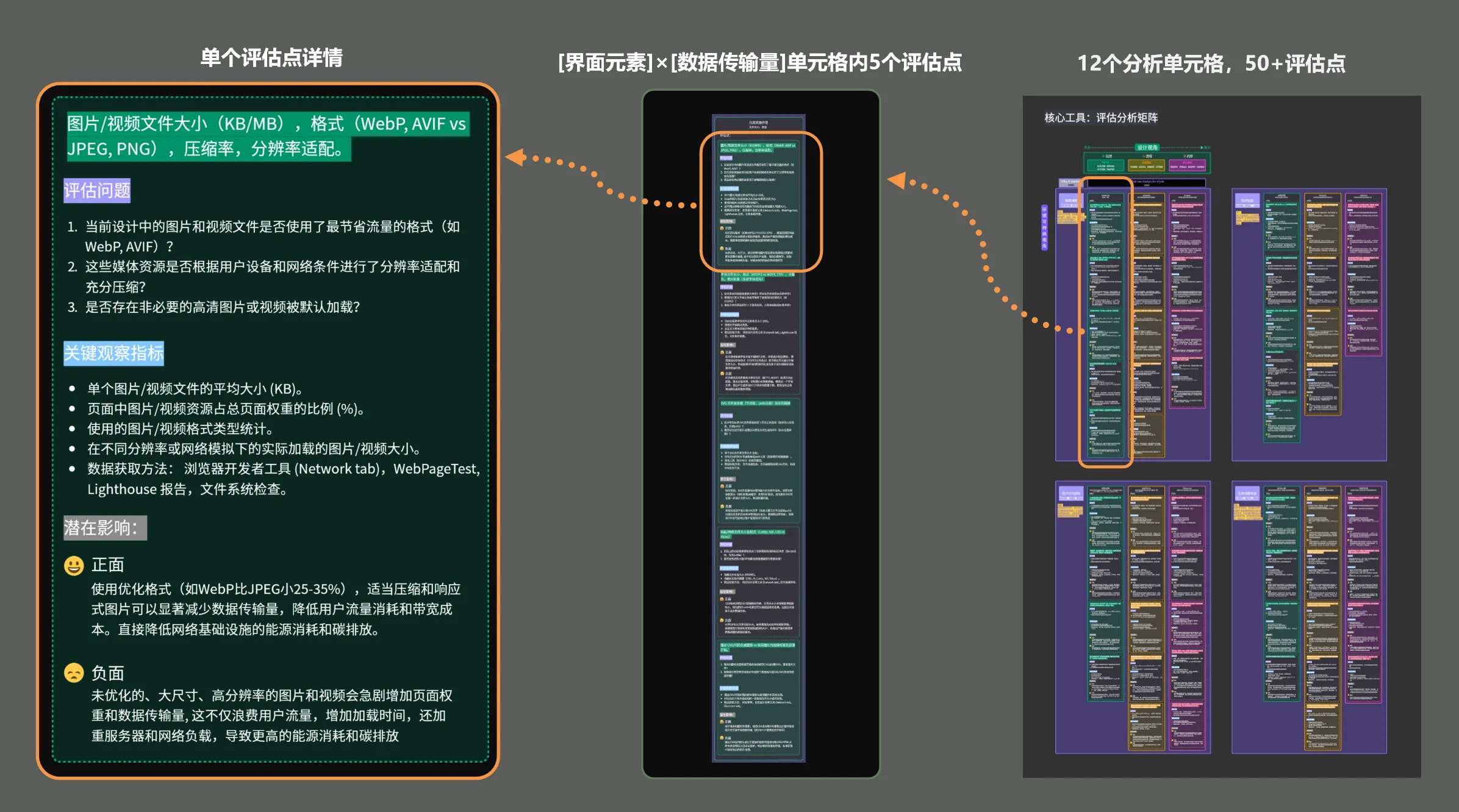
A method matters only when it can enter actual work. The assessment tool turns abstract principles into checkable dimensions: data transfer, computation, usage-pattern impact, and sustainability and maintenance. It then exposes priority, metrics, recommendations, and exportable reports. Sustainability becomes an engineering question that teams can assess, discuss, and iterate on.
04 / EXPAND THE SYSTEM
Expand personal research into a knowledge and service system
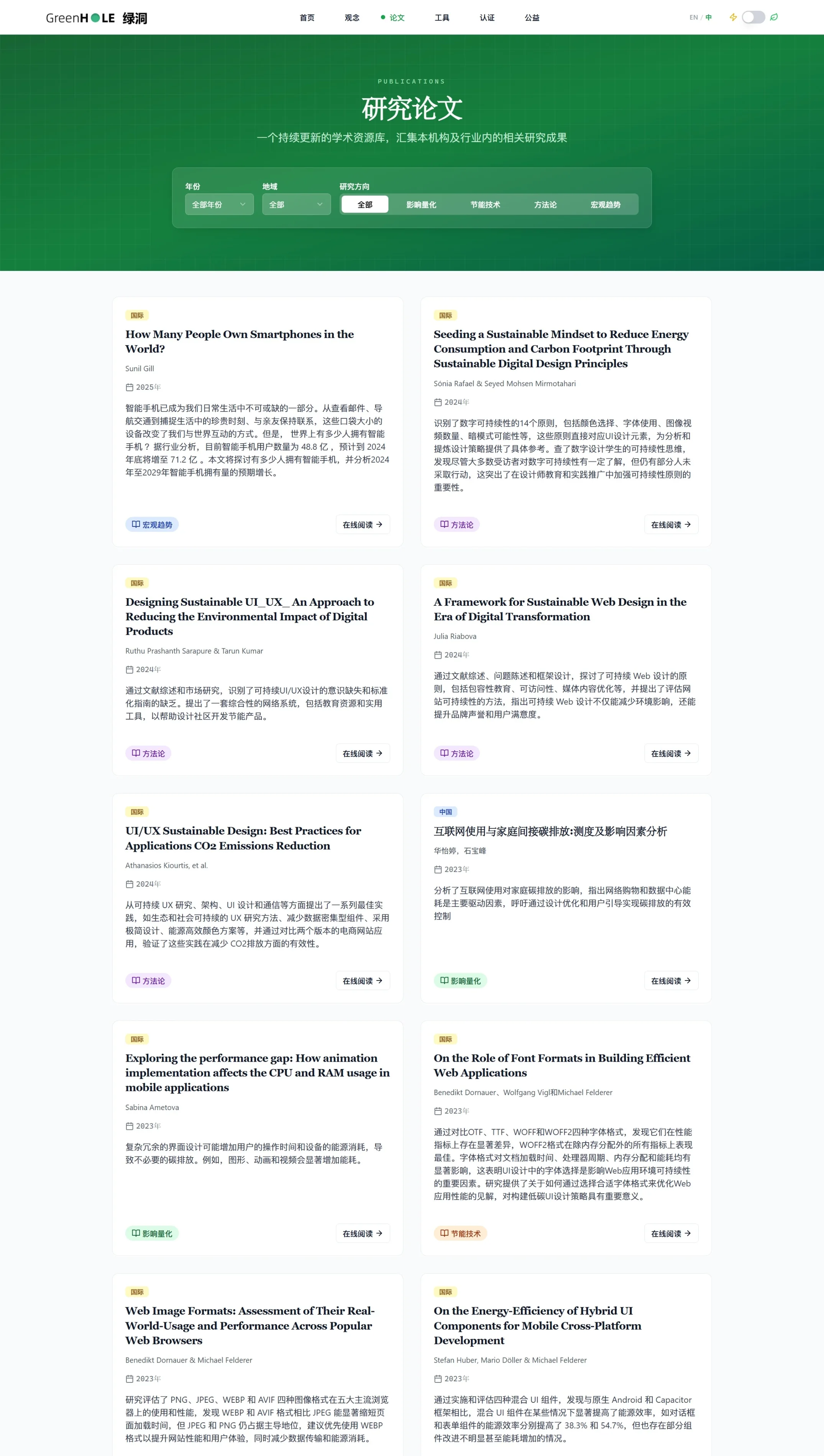
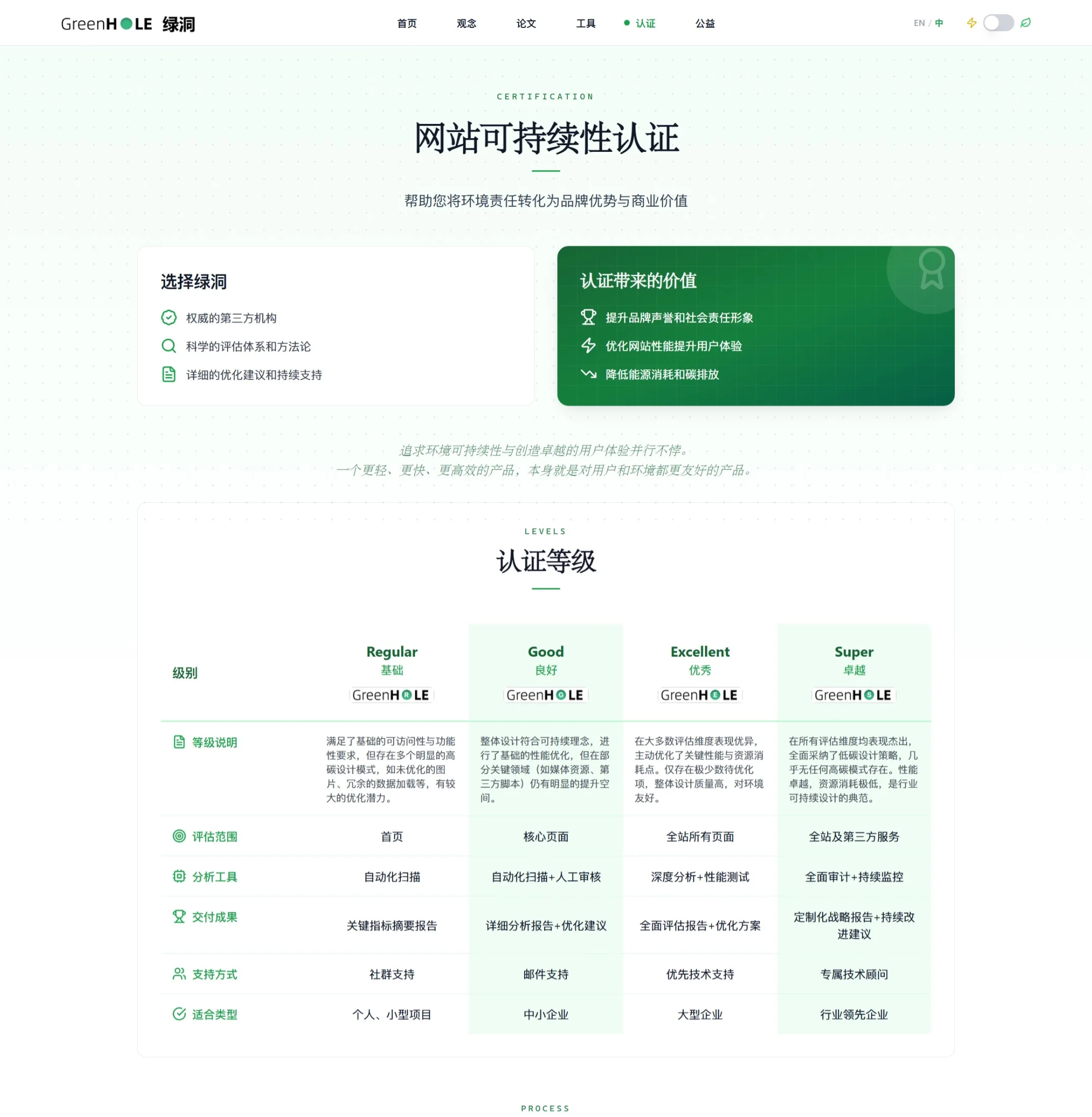
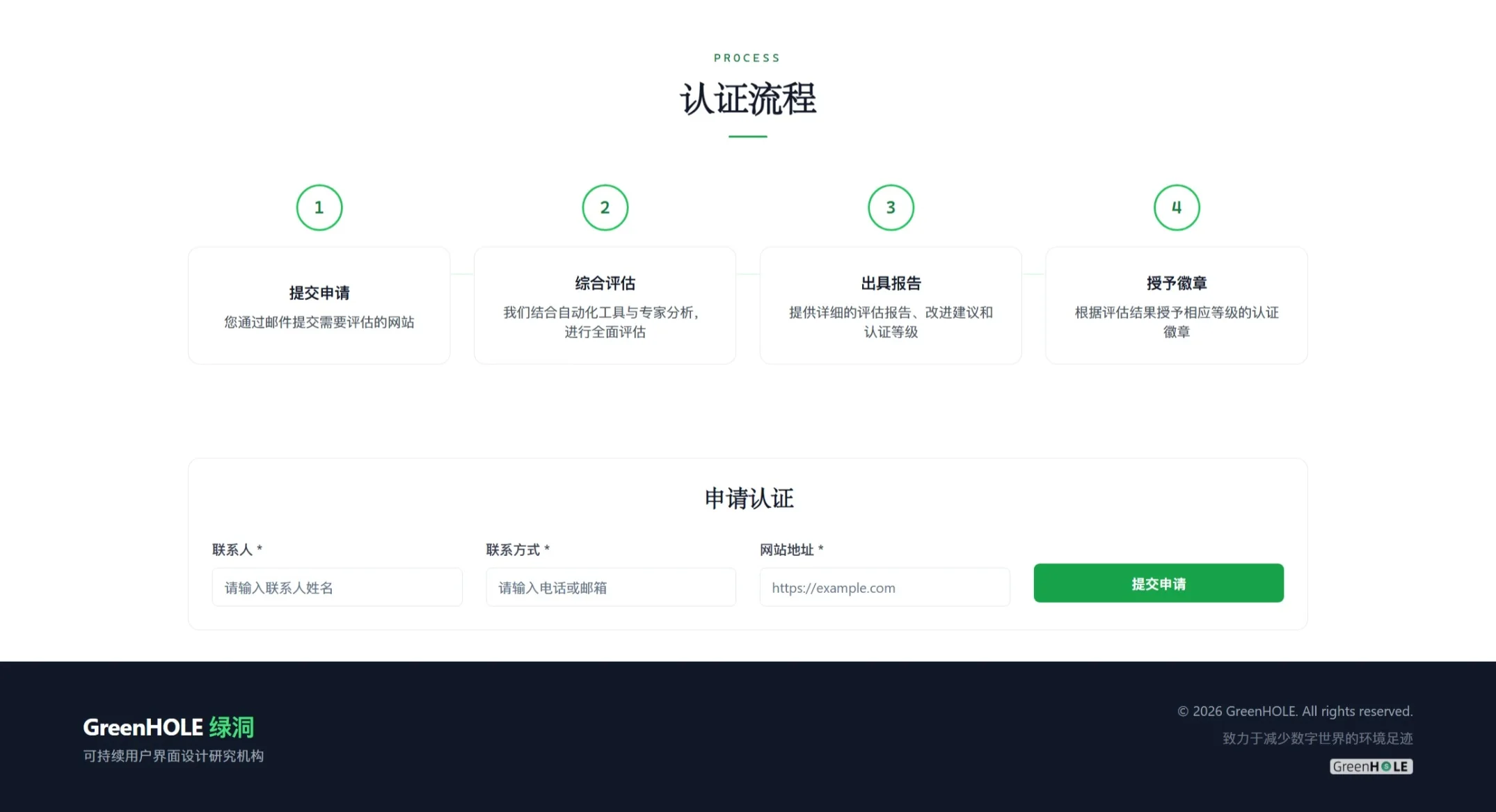
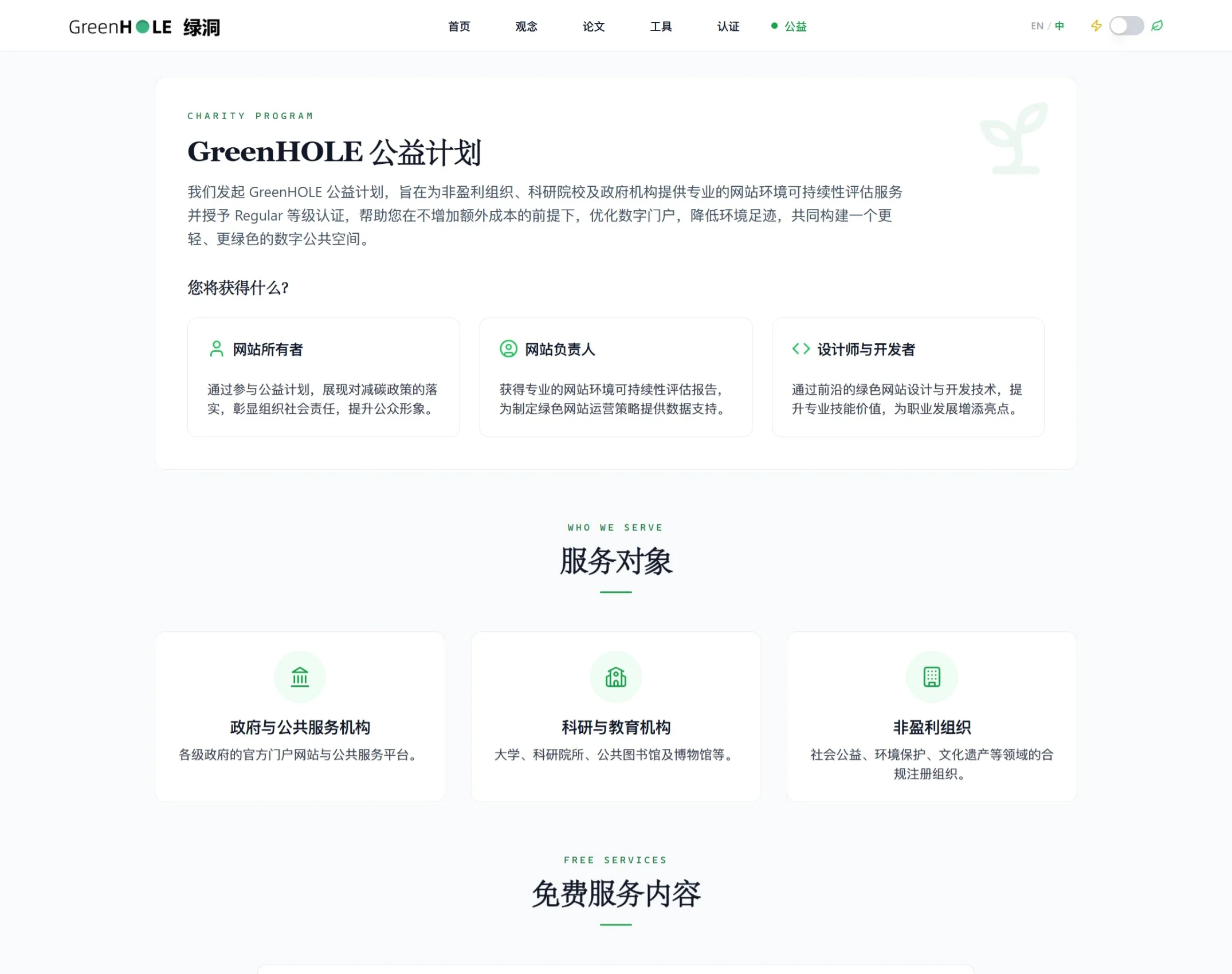
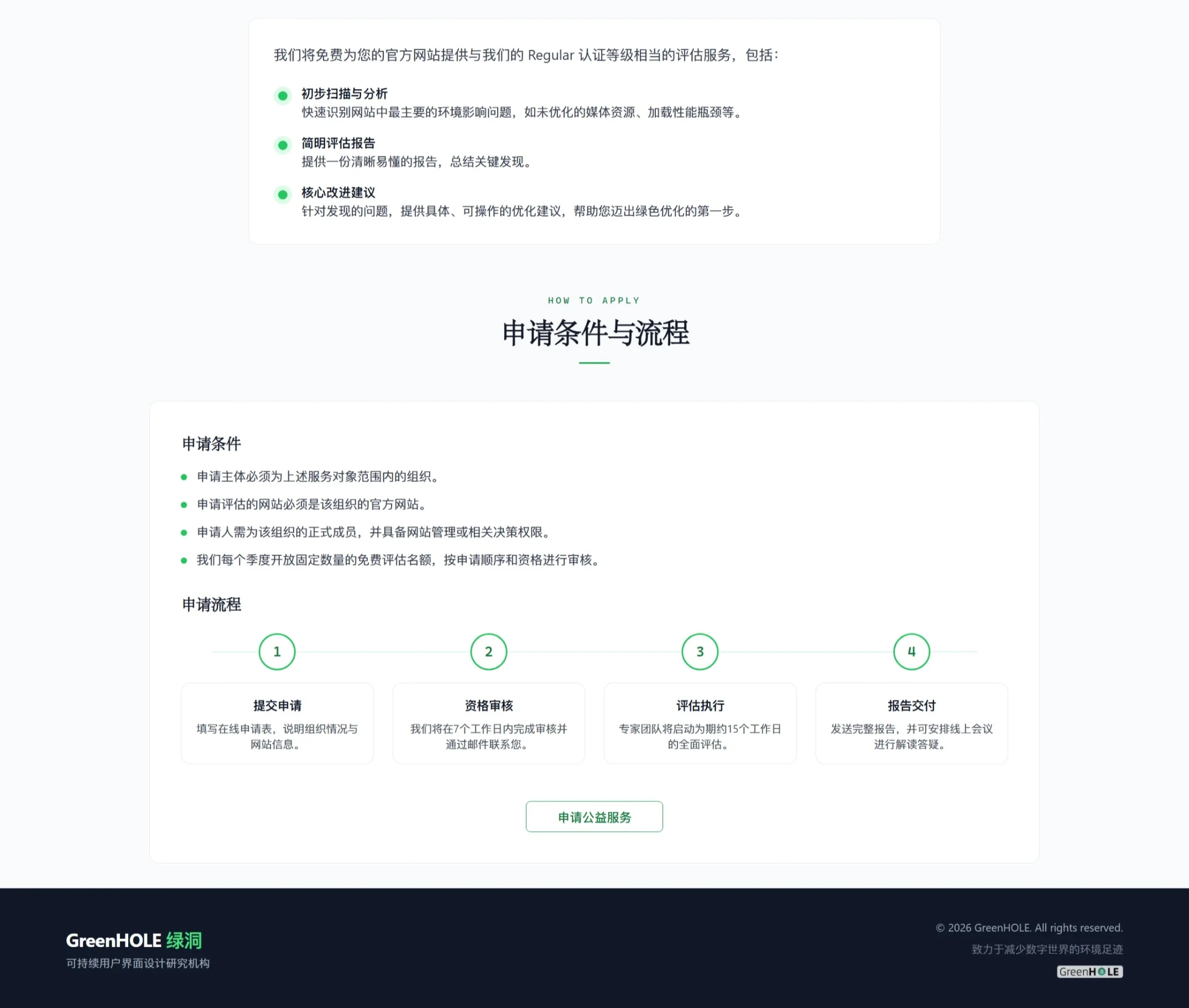
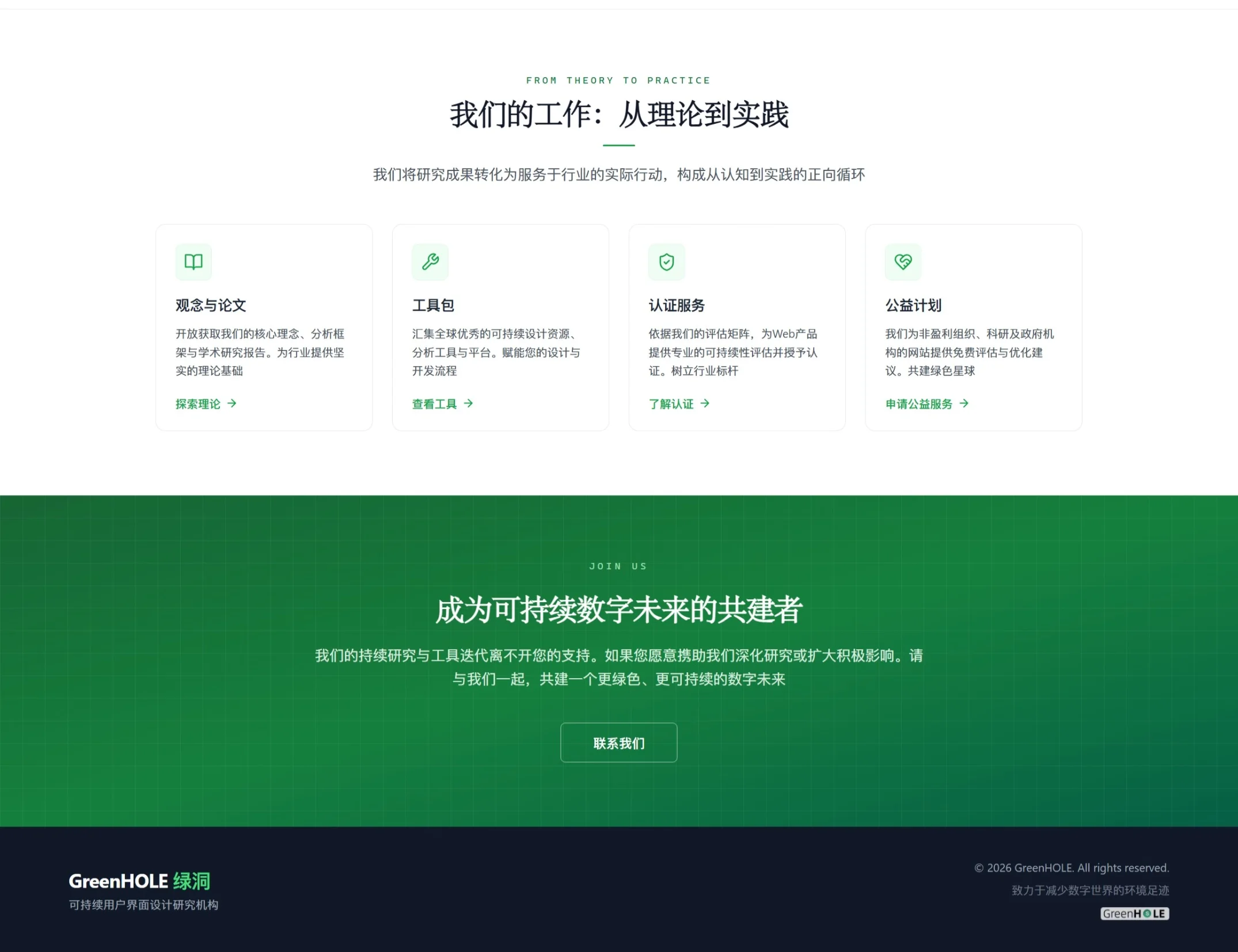
The paper library continuously takes in knowledge, certification turns the method into a standardized service, and the public-interest program extends access to public organizations, research and education institutions, and nonprofits. These are not parallel site sections. Together they form a loop: knowledge supports assessment and improvement, while services feed further research and outreach.
05 / OPERATE THE PLATFORM
Make a research institution an operating digital product
The platform needs to carry both research depth and practical action. A shared name, green brand, bilingual entry points, theme mode, and modular content framework connect different audiences. Research has to be easy to enter, complex methods have to be easy to understand, and tool and service entry points need to support the next action naturally.
06 / DESIGN METHOD
Product principles
GreenHole ultimately established a research-to-product working method:
- Turn abstract topics into tasks, objects, and questions that people can understand
- Use quantitative tools to connect research language with design and engineering language
- Let content, service, and ongoing operation share one brand and interaction framework
Next Case
Three Platforms, One System→